
Evidence-Based Article
Physio Hub
~ Do Life Smart with Evidence ~
Your Trusted Source for Science-Backed Health and Fitness Guidance
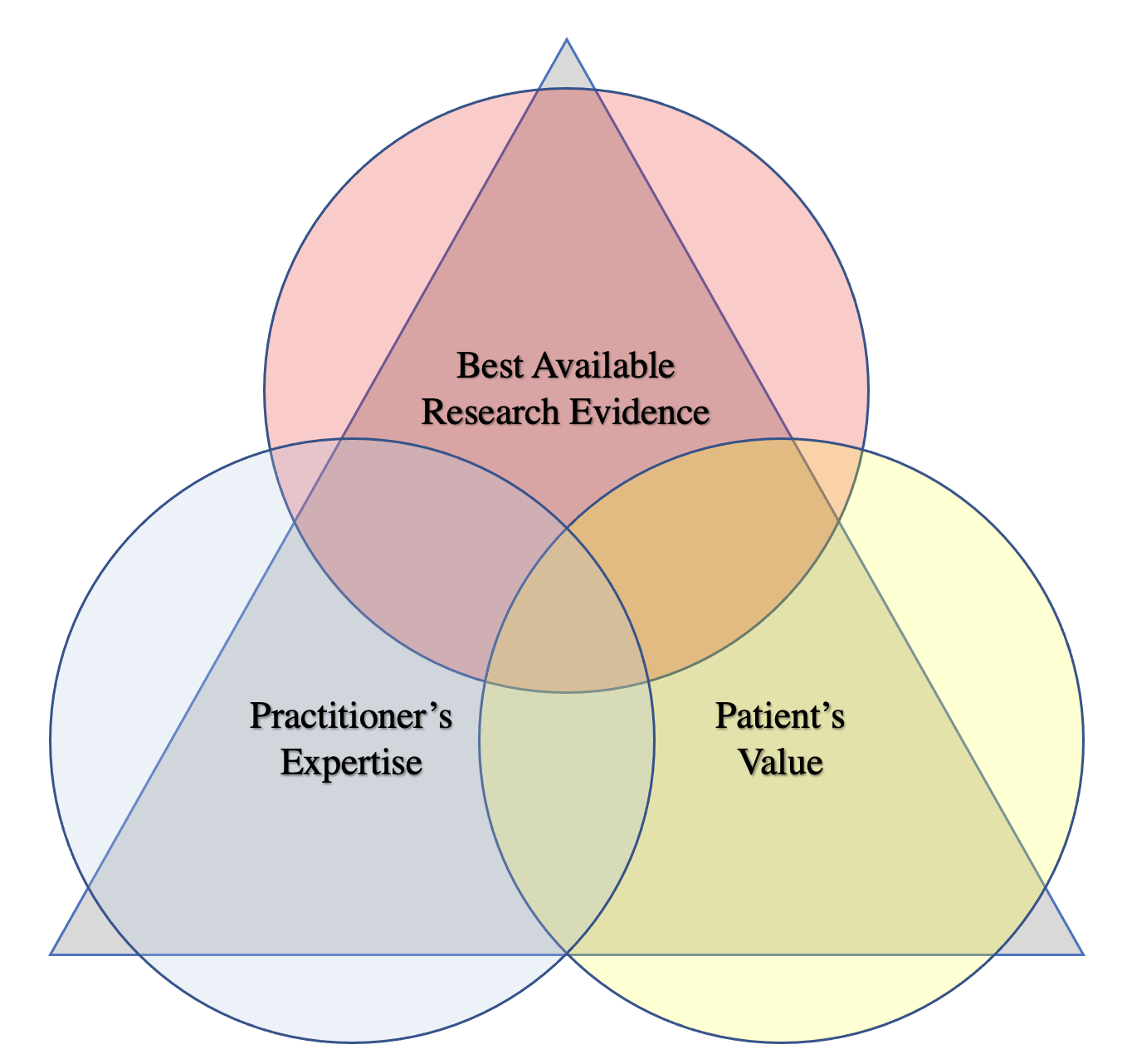
Why Evidence?
In an age where misinformation can be widespread, we stand firm in our commitment to evidence-based practice. This means that all the information we provide is backed by scientific studies and research, ensuring that our readers receive the most accurate and helpful advice possible.
Accessing, scanning and condensing the evidence can be difficult, time consuming, and at times, expensive; that’s where we come in.
~ Featured ~

Does BlazePod Training Actually Improve Athletic Performance?
Walk into almost any modern gym, training facility, or sports academy and you’ll likely see glowing pods on the floor, walls, or turf. BlazePod has become one of the most popular reaction-training tools for athletes—from kids learning basic coordination to elite professionals refining split-second decision-making.

BCAAs and Fish Oil for Athletes
Protein and creatine are often considered the “big two” supplements in sports and fitness. But in recent years, branched-chain amino acids (BCAAs) and fish oil (omega-3 fatty acids) have gained massive popularity.

Steroid Injections for Pain
When pain doesn’t go away, many people eventually hear the same recommendation:
“Let’s try a steroid injection.”
But what many people don’t fully understand is what steroid injections actually do, and more importantly, what they may do to the tissues underneath the pain.
Fitness/Conditioning
Using science in fitness helps make workout plans safe, work well, and fit each person’s needs. It keeps things up-to-date with the latest health findings and makes sure trainers are trusted and knowledgeable, leading to better health results for everyone.

Functional Movement Screen (FMS): Can It Actually Prevent Sports Injuries?
The Functional Movement Screen (FMS) is a standardized screening tool made up of seven movement tests. These assess dysfunctional patterns, asymmetries, and overall movement quality by looking at the interaction of strength, flexibility, mobility, balance, coordination, and proprioception.

Compression Therapy for Athletes: Does It Actually Help Recovery?
Did you know that some of the world’s top athletes swear by compression boots after every training session?

Exercises to Improve Kids’ Athleticism
All parents dream of seeing their kids active, agile, and ready to tackle any sport they choose in the future. But the question remains: what kind of exercises are best for building their athleticism?

Does Kinesio Tape Really Work?
These tapes became a worldwide famous physiotherapeutic tool used for treating different kinds of musculoskeletal disorders. Elastic therapeutic Kinesio tape is now a worldwide known method in the sports universe to treat and prevent injuries and enhance performance.

When Does Muscle Recovery Happen After Exercise or Injury?
While every regimen has its benefits, no single program suits everyone’s goals. Here, based on the current evidence, we explain how muscles grow to help you build your own routine and achieve your unique goals.

Blood Flow Restriction (BFR) Training: What It Actually Does, When to Use It, and How to Stay Safe
Blood Flow Restriction (BFR) Training is a type of training intended to enhance muscle growth and force. BFR training involves placing a band on the arm or leg, which acts as a tourniquet, to partially restrict the blood flow while performing an exercise.
Rehabilitation/Treatment
In rehabilitation, a foundation in science ensures that treatments are safe, effective, and tailored to individual needs. This approach, grounded in proven research, aids in successful recovery, prevents further injury, and builds trust between patients and therapists, ultimately promoting faster and more effective healing.

Why Does Ankle Pain Linger After a Sprain?
But what if your ankle pain doesn’t go away? These unresolved cases often progress into chronic ankle instability (CAI)—a condition that affects movement, balance, and long-term performance.

Icing for Injuries: What It Actually Does — And When You Should Avoid It
When you’re injured, it’s common to hear that icing should be your first course of action. While this is true to some extent, particularly in reducing pain and swelling, it’s essential to understand what icing actually does to your body.

Effective Strategies for Managing Scar Tissue in MusclesEvidence-Based Insights for Athletes
Scar tissue in muscles, though a natural part of the healing process after an injury, can cause long-term issues for athletes.

Infrared Therapy for Athletes: What the Science Really Says About Recovery & Performance
Infrared therapy is increasingly used by athletes seeking natural and effective ways to enhance recovery and performance. Research shows that far-infrared (FIR) heat can improve neuromuscular recovery and reduce fatigue during high-intensity training phases.

What Does a TENS Unit Actually Do?
A TENS unit, or a Transcutaneous Electrical Nerve Stimulation device, is typically a hand-held unit that caters to different therapeutic needs with the main goal of managing or reducing pain symptoms in a specific area of the body.

Ankle Sprains: What You Should Really Do for Faster Recovery
Ankle Sprain is one of the most common musculoskeletal injuries that occur when ligaments of the ankle joint are overstretched or torn.
Health & Diet
In the health and diet, using science ensures that nutrition advice is safe, works well, and suits each person’s body. It helps professionals give accurate guidance based on solid research, clear up food myths, and guide people to make healthier choices, leading to better health and prevention of diseases.

Quinoa for Athletes: Does It Actually Help Recovery and Performance?
Nutrition plays a vital role in staying healthy. Understanding the best foods to eat is helpful. For example, Quinoa is a great option for superfoods.

Intermittent Fasting for Athletes: Does It Help or Hurt Performance?
What is intermittent fasting, and how does it influence peak performance? Let’s take a look at the science to understand the effects of IFast on athletic performance.

The Ketogenic Diet: What It Really Does — and Whether It Helps Athletic Performance
The keto diet is a low-carbohydrate, high-fat, moderate-protein diet that has gained popularity in recent years for its possible weight loss benefits. It has also been used to treat various medical conditions.
Is Protein Powder Safe?
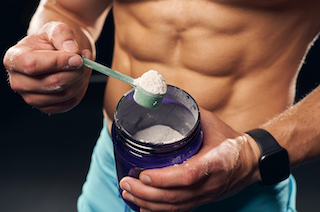
In the realm of fitness and health, protein powder has emerged as a popular dietary supplement, widely acclaimed for its ability to augment lean body mass and sculpt a muscular physique.

How Your Feet Influence Your Posture
When we think of posture, our minds typically wander to the spine and shoulders, often accompanied by the realization that ours could use some improvement.
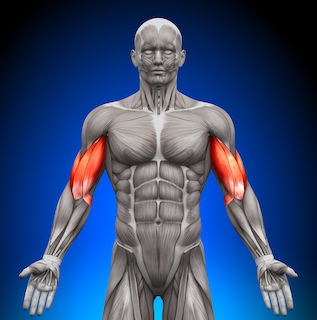
Muscle Evidence Hub
~ Don’t just work hard. Work Smart with Evidence ~
Check Out
Our Videos
We are here to provide the latest evidence on rehabilitation, fitness, health, and recovery in one location that is easy to understand and process.

Dr. Ken Usui
PT, DPT, CSCS

Dr. Consuelo Pedro
PT, DPT, CSCS

Dr. Kevan Shergill
PT, DPT, CSCS

Dr. Antoinette Auguste
PT, DPT, CSCS

Dr. Diana Paiva
PT, DPT, CSCS