
Evidence-Based Article
Physio Hub
~ Do Life Smart with Evidence ~
Your Trusted Source for Science-Backed Health and Fitness Guidance
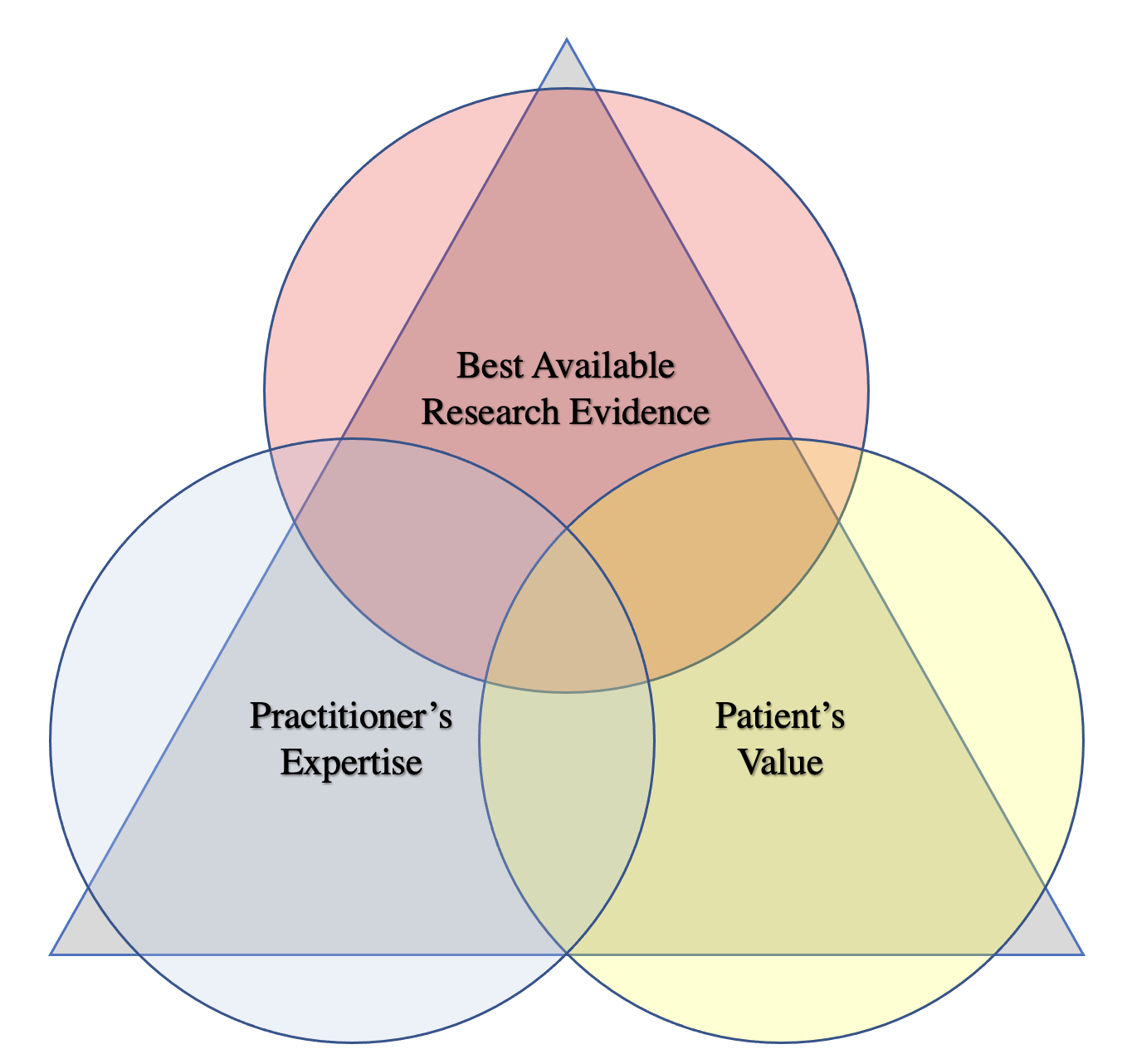
Why Evidence?
In an age where misinformation can be widespread, we stand firm in our commitment to evidence-based practice. This means that all the information we provide is backed by scientific studies and research, ensuring that our readers receive the most accurate and helpful advice possible.
Accessing, scanning and condensing the evidence can be difficult, time consuming, and at times, expensive; that’s where we come in.
~ Featured ~
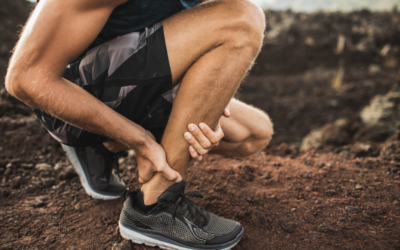
Achilles Tendinopathy
Achilles tendinopathy is a load-related disorder of the Achilles tendon characterized by localized pain, stiffness, swelling or thickening, and impaired function during tendon-loading activities.

Lumbar Disc Herniation
Lumbar disc herniation (LDH) is a spinal disorder in which disc material protrudes or extrudes beyond its normal boundary and may irritate or compress nearby neural structures.

Rotator Cuff Tendinopathy
Physio Hub: Evidence-Based ArticleRotator Cuff Tendinopathy Rotator cuff tendinopathy is one of the most common causes of shoulder pain and can be...
Fitness/Conditioning
Using science in fitness helps make workout plans safe, work well, and fit each person’s needs. It keeps things up-to-date with the latest health findings and makes sure trainers are trusted and knowledgeable, leading to better health results for everyone.
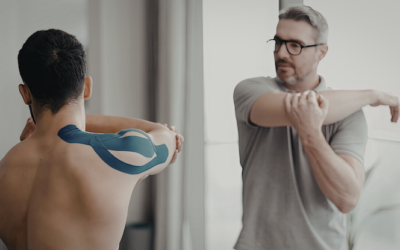
How to Improve Posterior Shoulder Tightness
Posterior shoulder tightness refers to restriction of the tissues on the back of the shoulder and commonly presents as reduced glenohumeral internal rotation and/or horizontal adduction.
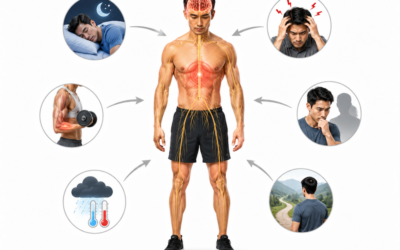
Understanding Pain During Rehabilitation
Many people understandably think:
“If it hurts, I must be damaging something.”
Pain is more complex than that. The International Association for the Study of Pain defines pain as an unpleasant sensory and emotional experience associated with, or resembling that associated with, actual or potential tissue damage.
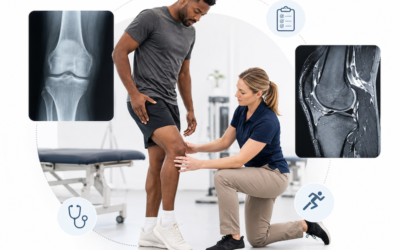
What Do X-Rays and MRIs Really Tell Us?
Imagine being told after an X-ray or MRI:
“That must be why I hurt.”
Sometimes the structural finding is highly relevant. Imaging is essential for identifying and characterizing many important conditions, including fractures, dislocations, tumors, infections, significant tissue injuries, and other structural pathology.
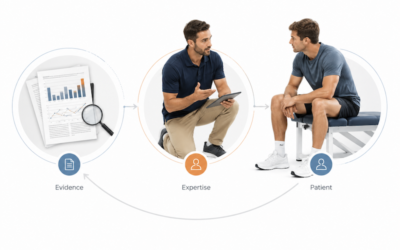
Evidence vs Clinical Experience
The rise of evidence-based healthcare has transformed medicine and rehabilitation.
Clinicians are expected to read research, use clinical practice guidelines, and choose interventions supported by scientific evidence. That is a major improvement over relying solely on tradition or opinion.
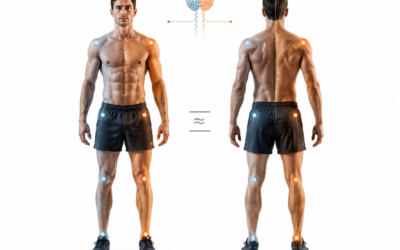
Is Asymmetry Bad?
The human body may look symmetrical from the outside, but biologically, the right and left sides are not identical. Functional laterality and asymmetry occur throughout human biology, including the nervous system, and should not automatically be viewed as errors.
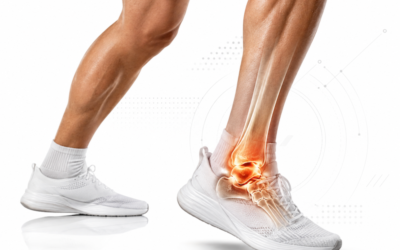
Ankle Osteoarthritis in Athletes
When most people hear the term osteoarthritis, they think of age-related “wear and tear.” The ankle is somewhat different. Approximately 70% to 90% of ankle osteoarthritis is associated with previous trauma.
Rehabilitation/Treatment
In rehabilitation, a foundation in science ensures that treatments are safe, effective, and tailored to individual needs. This approach, grounded in proven research, aids in successful recovery, prevents further injury, and builds trust between patients and therapists, ultimately promoting faster and more effective healing.
How to Improve Posterior Shoulder Tightness
Posterior shoulder tightness refers to restriction of the tissues on the back of the shoulder and commonly presents as reduced glenohumeral internal rotation and/or horizontal adduction.
Understanding Pain During Rehabilitation
Many people understandably think:
“If it hurts, I must be damaging something.”
Pain is more complex than that. The International Association for the Study of Pain defines pain as an unpleasant sensory and emotional experience associated with, or resembling that associated with, actual or potential tissue damage.
What Do X-Rays and MRIs Really Tell Us?
Imagine being told after an X-ray or MRI:
“That must be why I hurt.”
Sometimes the structural finding is highly relevant. Imaging is essential for identifying and characterizing many important conditions, including fractures, dislocations, tumors, infections, significant tissue injuries, and other structural pathology.
Evidence vs Clinical Experience
The rise of evidence-based healthcare has transformed medicine and rehabilitation.
Clinicians are expected to read research, use clinical practice guidelines, and choose interventions supported by scientific evidence. That is a major improvement over relying solely on tradition or opinion.
Is Asymmetry Bad?
The human body may look symmetrical from the outside, but biologically, the right and left sides are not identical. Functional laterality and asymmetry occur throughout human biology, including the nervous system, and should not automatically be viewed as errors.
Ankle Osteoarthritis in Athletes
When most people hear the term osteoarthritis, they think of age-related “wear and tear.” The ankle is somewhat different. Approximately 70% to 90% of ankle osteoarthritis is associated with previous trauma.
Health & Diet
In the health and diet, using science ensures that nutrition advice is safe, works well, and suits each person’s body. It helps professionals give accurate guidance based on solid research, clear up food myths, and guide people to make healthier choices, leading to better health and prevention of diseases.
How to Improve Posterior Shoulder Tightness
Posterior shoulder tightness refers to restriction of the tissues on the back of the shoulder and commonly presents as reduced glenohumeral internal rotation and/or horizontal adduction.
Understanding Pain During Rehabilitation
Many people understandably think:
“If it hurts, I must be damaging something.”
Pain is more complex than that. The International Association for the Study of Pain defines pain as an unpleasant sensory and emotional experience associated with, or resembling that associated with, actual or potential tissue damage.
What Do X-Rays and MRIs Really Tell Us?
Imagine being told after an X-ray or MRI:
“That must be why I hurt.”
Sometimes the structural finding is highly relevant. Imaging is essential for identifying and characterizing many important conditions, including fractures, dislocations, tumors, infections, significant tissue injuries, and other structural pathology.
Evidence vs Clinical Experience
The rise of evidence-based healthcare has transformed medicine and rehabilitation.
Clinicians are expected to read research, use clinical practice guidelines, and choose interventions supported by scientific evidence. That is a major improvement over relying solely on tradition or opinion.
Is Asymmetry Bad?
The human body may look symmetrical from the outside, but biologically, the right and left sides are not identical. Functional laterality and asymmetry occur throughout human biology, including the nervous system, and should not automatically be viewed as errors.
Ankle Osteoarthritis in Athletes
When most people hear the term osteoarthritis, they think of age-related “wear and tear.” The ankle is somewhat different. Approximately 70% to 90% of ankle osteoarthritis is associated with previous trauma.
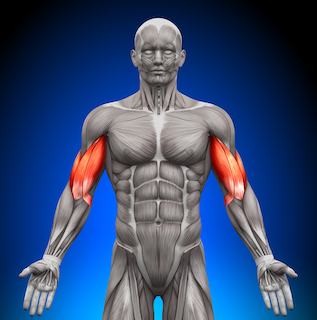
Muscle Evidence Hub
~ Don’t just work hard. Work Smart with Evidence ~
Check Out
Our Videos
We are here to provide the latest evidence on rehabilitation, fitness, health, and recovery in one location that is easy to understand and process.

Dr. Ken Usui
PT, DPT, CSCS

Dr. Consuelo Pedro
PT, DPT, CSCS

Dr. Kevan Shergill
PT, DPT, CSCS

Dr. Antoinette Auguste
PT, DPT, CSCS

Dr. Diana Paiva
PT, DPT, CSCS