Physio Hub:
Evidence-Based Article
PRP Injections: Regenerative Breakthrough or Overhyped Treatment?
What the Science Really Says About Platelet-Rich Plasma
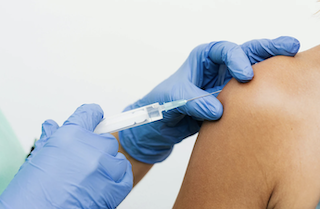
Platelet-Rich Plasma (PRP) injections have become one of the most talked-about treatments in sports medicine.
Athletes use PRP for:
- Tendon injuries
- Ligament sprains
- Muscle tears
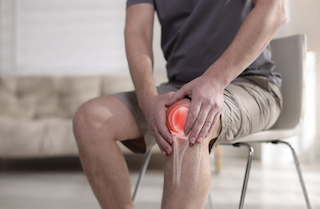
- Cartilage damage and early osteoarthritis
The idea sounds compelling: use your own blood to accelerate healing.
But does PRP truly regenerate tissue — or are the benefits more limited than advertised?
What Is PRP, Exactly?
PRP is created by centrifuging a patient’s blood to concentrate platelets.
These platelets release growth factors involved in:
- Cell signaling
- Collagen synthesis
- Angiogenesis
- Tissue remodeling
In theory, injecting PRP into injured tissue should stimulate healing rather than just reduce pain.
In practice? The results are far more variable.
What Does the Evidence Actually Show?
Overall Effectiveness: Mixed and Inconsistent
An umbrella review by Cruciani et al. (2019) analyzed 22 systematic reviews covering PRP use for muscle, tendon, and ligament injuries.
Key findings:
- 8 of 17 reviews on tendon/ligament injuries showed statistically significant improvements in pain or function
- Improvements were often small
- Evidence quality was low to very low due to bias, heterogeneity, and inconsistent protocols
For acute muscle injuries, results were even less convincing:
- Most reviews showed no clear benefit
- One review found rehabilitation exercise alone outperformed PRP
- One review suggested PRP may speed return to sport in mild (grade I–II) injuries
👉 Translation: PRP is not consistently superior to good rehab.
Where PRP May Actually Help
Despite limitations, PRP is not useless.
A comprehensive review by Schneider et al. (2024) reported that PRP:
- May improve quality of life
- Has fewer side effects compared to surgery or repeated steroid injections
- Shows promise in:
- Achilles tendinopathy
- Plantar fasciitis
- Ligament injuries
- Acute muscle and tendon tears
- Cartilage injuries and early osteoarthritis
However, comparison across studies remains difficult due to lack of standardized protocols.
Expert Consensus: Useful, But Not a Miracle
A large expert survey by Tischer et al. (2020) found:
- 89% of orthopedic experts consider PRP therapeutically useful
- Most common indications:
- Tendon pathology
- Early knee osteoarthritis
- Muscle injuries
- Cartilage damage
Experts agreed PRP is:
- Potentially useful for chronic tendinopathies
- More effective when multiple injections are used for chronic conditions
But they also strongly emphasized:
👉 Urgent need for standardization (dose, preparation, timing, indications)
Why PRP Works for Some — and Not Others
A key review by Kia et al. (2018) highlighted why PRP outcomes vary so much:
PRP success depends heavily on:
- Patient selection
- Chronic vs acute injury
- Tissue type
- Symptom duration
- Combination with rehab
PRP appears more effective when:
- Used in chronic conditions
- Other treatments have failed
- Paired with progressive physical therapy
PRP alone does not “fix” movement problems, load management, or biomechanical deficits.
PRP vs Reality: Important Takeaways
- PRP is not a guaranteed fix
- Benefits are moderate at best
- Outcomes are highly variable
- Rehab quality still matters more than injections
PRP may support healing, but it does not replace:
- Load management
- Progressive strengthening
- Movement retraining
Conclusion: A Tool, Not a Cure
PRP injections are neither a scam nor a miracle.
The evidence suggests:
- PRP can help some musculoskeletal conditions
- Results are inconsistent and protocol-dependent
- PRP works best as an adjunct, not a standalone treatment
If you’re considering PRP, the most important question isn’t
“Does PRP work?”
but rather
👉 “Am I the right candidate, and is it combined with proper rehab?”
< Recommendation by Our Experts>
✔ Consider PRP for chronic tendon or cartilage issues that fail standard care
✔ Combine PRP with structured physical therapy for best outcomes
✔ Be cautious of claims promising rapid or guaranteed regeneration
✔ In modern sports medicine, biology supports recovery — movement completes it.
< Reference >
- Cruciani, Mario, Massimo Franchini, Carlo Mengoli, et al. “Platelet-Rich Plasma for Sports-Related Muscle, Tendon and Ligament Injuries: An Umbrella Review.” Blood Transfusion = Trasfusione Del Sangue 17, no. 6 (2019): 465–78. https://doi.org/10.2450/2019.0274-19.
- Schneider, Nicole, Michael Sinnott, Nikita Patel, and Roody Joseph. “The Use of Platelet-Rich Plasma and Stem Cell Injections in Musculoskeletal Injuries.” Cureus, ahead of print, May 9, 2024. https://doi.org/10.7759/cureus.59970.
- Tischer, T., G. Bode, M. Buhs, et al. “Platelet‐rich Plasma (PRP) as Therapy for Cartilage, Tendon and Muscle Damage – German Working Group Position Statement.” Journal of Experimental Orthopaedics 7, no. 1 (2020): 64. https://doi.org/10.1186/s40634-020-00282-2.
- Kia, Cameron, Joshua Baldino, Ryan Bell, Alim Ramji, Colin Uyeki, and Augustus Mazzocca. “Platelet-Rich Plasma: Review of Current Literature on Its Use for Tendon and Ligament Pathology.” Current Reviews in Musculoskeletal Medicine 11, no. 4 (2018): 566–72. https://doi.org/10.1007/s12178-018-9515-y.
Stay Informed with Physio Hub
Unlock a world of knowledge with our expertly curated articles on fitness, rehabilitation, and health & diet. Stay ahead with the latest evidence-based insights and practical advice. Subscribe now to receive updates and never miss out on new content!