
Evidence-Based Article
Physio Hub
~ Do Life Smart with Evidence ~
Your Trusted Source for Science-Backed Health and Fitness Guidance

Why Evidence?
In an age where misinformation can be widespread, we stand firm in our commitment to evidence-based practice. This means that all the information we provide is backed by scientific studies and research, ensuring that our readers receive the most accurate and helpful advice possible.
Accessing, scanning and condensing the evidence can be difficult, time consuming, and at times, expensive; that’s where we come in.
~ Featured ~
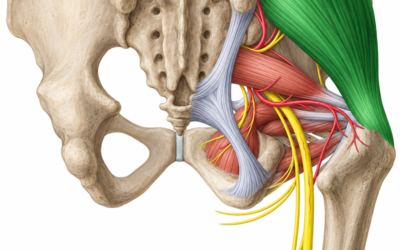
Gluteus Medius
The gluteus medius (GMed) is one of the primary hip abductors and plays a major role in controlling the pelvis and femur during single-leg weight-bearing tasks such as running, cutting, jumping, and landing.
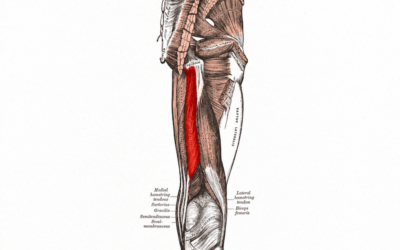
Semitendinosus
The semitendinosus (ST) is one of the major hamstring muscles and contributes to knee flexion, hip extension, and internal rotation of the tibia.
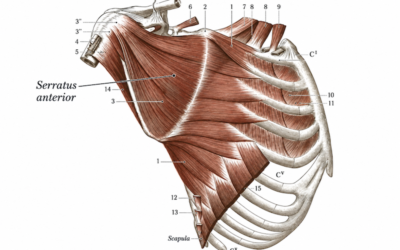
Serratus Anterior
The serratus anterior (SA) is a major scapular stabilizer responsible for controlling scapular protraction, upward rotation, posterior tilt, and stability against the thorax during upper-extremity movement.
Fitness/Conditioning
Using science in fitness helps make workout plans safe, work well, and fit each person’s needs. It keeps things up-to-date with the latest health findings and makes sure trainers are trusted and knowledgeable, leading to better health results for everyone.
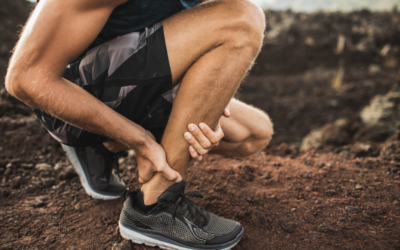
Achilles Tendinopathy
Achilles tendinopathy is a load-related disorder of the Achilles tendon characterized by localized pain, stiffness, swelling or thickening, and impaired function during tendon-loading activities.

Lumbar Disc Herniation
Lumbar disc herniation (LDH) is a spinal disorder in which disc material protrudes or extrudes beyond its normal boundary and may irritate or compress nearby neural structures.

Rotator Cuff Tendinopathy
Physio Hub: Evidence-Based ArticleRotator Cuff Tendinopathy Rotator cuff tendinopathy is one of the most common causes of shoulder pain and can be...
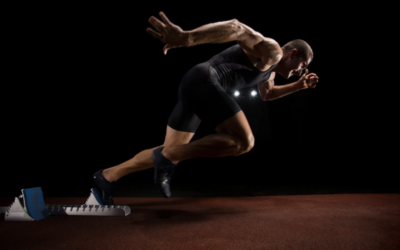
How to Improve Sprint Velocity in Athletes
Sprint performance is not one single physical quality.
It includes at least two important phases:
Acceleration
→ how rapidly the athlete increases velocity from a stationary or slower position
and
Maximum Velocity
→ the highest running speed the athlete can achieve.

How to Improve Tennis Serve Velocity
The serve is unique in tennis because the player initiates the stroke rather than reacting to an opponent’s shot.
Greater serve velocity can reduce the opponent’s reaction time and potentially create a stronger offensive advantage on service points.
But a fast serve is not simply an expression of shoulder or arm strength.

How to Improve First-Step Acceleration in Sports
First-step acceleration is the athlete’s ability to rapidly increase horizontal velocity within the first few steps after initiating movement.
It matters when an athlete needs to:
• Beat a defender
• Close space defensively
• Reach a loose ball first
• React to an opponent
• Accelerate out of a cut
• Move quickly from a low-speed or stationary position
Rehabilitation/Treatment
In rehabilitation, a foundation in science ensures that treatments are safe, effective, and tailored to individual needs. This approach, grounded in proven research, aids in successful recovery, prevents further injury, and builds trust between patients and therapists, ultimately promoting faster and more effective healing.
Achilles Tendinopathy
Achilles tendinopathy is a load-related disorder of the Achilles tendon characterized by localized pain, stiffness, swelling or thickening, and impaired function during tendon-loading activities.
Lumbar Disc Herniation
Lumbar disc herniation (LDH) is a spinal disorder in which disc material protrudes or extrudes beyond its normal boundary and may irritate or compress nearby neural structures.
Rotator Cuff Tendinopathy
Physio Hub: Evidence-Based ArticleRotator Cuff Tendinopathy Rotator cuff tendinopathy is one of the most common causes of shoulder pain and can be...
How to Improve Sprint Velocity in Athletes
Sprint performance is not one single physical quality.
It includes at least two important phases:
Acceleration
→ how rapidly the athlete increases velocity from a stationary or slower position
and
Maximum Velocity
→ the highest running speed the athlete can achieve.
How to Improve Tennis Serve Velocity
The serve is unique in tennis because the player initiates the stroke rather than reacting to an opponent’s shot.
Greater serve velocity can reduce the opponent’s reaction time and potentially create a stronger offensive advantage on service points.
But a fast serve is not simply an expression of shoulder or arm strength.
How to Improve First-Step Acceleration in Sports
First-step acceleration is the athlete’s ability to rapidly increase horizontal velocity within the first few steps after initiating movement.
It matters when an athlete needs to:
• Beat a defender
• Close space defensively
• Reach a loose ball first
• React to an opponent
• Accelerate out of a cut
• Move quickly from a low-speed or stationary position
Health & Diet
In the health and diet, using science ensures that nutrition advice is safe, works well, and suits each person’s body. It helps professionals give accurate guidance based on solid research, clear up food myths, and guide people to make healthier choices, leading to better health and prevention of diseases.
Achilles Tendinopathy
Achilles tendinopathy is a load-related disorder of the Achilles tendon characterized by localized pain, stiffness, swelling or thickening, and impaired function during tendon-loading activities.
Lumbar Disc Herniation
Lumbar disc herniation (LDH) is a spinal disorder in which disc material protrudes or extrudes beyond its normal boundary and may irritate or compress nearby neural structures.
Rotator Cuff Tendinopathy
Physio Hub: Evidence-Based ArticleRotator Cuff Tendinopathy Rotator cuff tendinopathy is one of the most common causes of shoulder pain and can be...
How to Improve Sprint Velocity in Athletes
Sprint performance is not one single physical quality.
It includes at least two important phases:
Acceleration
→ how rapidly the athlete increases velocity from a stationary or slower position
and
Maximum Velocity
→ the highest running speed the athlete can achieve.
How to Improve Tennis Serve Velocity
The serve is unique in tennis because the player initiates the stroke rather than reacting to an opponent’s shot.
Greater serve velocity can reduce the opponent’s reaction time and potentially create a stronger offensive advantage on service points.
But a fast serve is not simply an expression of shoulder or arm strength.
How to Improve First-Step Acceleration in Sports
First-step acceleration is the athlete’s ability to rapidly increase horizontal velocity within the first few steps after initiating movement.
It matters when an athlete needs to:
• Beat a defender
• Close space defensively
• Reach a loose ball first
• React to an opponent
• Accelerate out of a cut
• Move quickly from a low-speed or stationary position
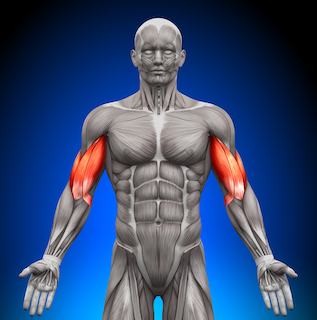
Muscle Evidence Hub
~ Don’t just work hard. Work Smart with Evidence ~
Check Out
Our Videos
We are here to provide the latest evidence on rehabilitation, fitness, health, and recovery in one location that is easy to understand and process.

Dr. Ken Usui
PT, DPT, CSCS

Dr. Consuelo Pedro
PT, DPT, CSCS

Dr. Kevan Shergill
PT, DPT, CSCS

Dr. Antoinette Auguste
PT, DPT, CSCS

Dr. Diana Paiva
PT, DPT, CSCS