
Fitness
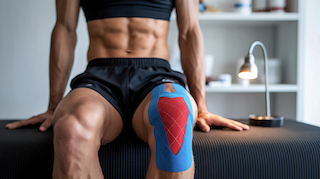
Strong Athletes Still Get Injured — Here’s Why
An athlete looks powerful. Big legs. Strong shoulders. Explosive performance. And yet — they keep getting injured. Sometimes injuries happen because of bad luck or contact. But more often, injuries occur despite impressive strength levels…
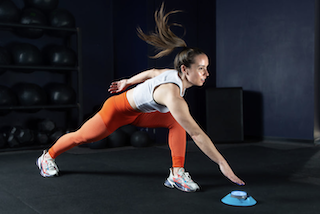
Does BlazePod Training Actually Improve Athletic Performance?
Walk into almost any modern gym, training facility, or sports academy and you’ll likely see glowing pods on the floor, walls, or turf. BlazePod has become one of the most popular reaction-training tools for athletes—from kids learning basic coordination to elite professionals refining split-second decision-making.
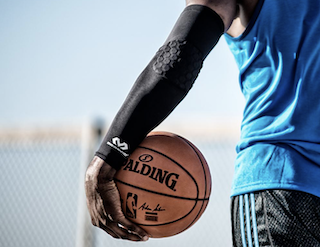
Does a Compression Sleeve Actually Work for Athletes?
You’ve probably seen it everywhere — basketball players wearing arm sleeves, soccer players with calf sleeves, runners fully kitted out in compression gear.
It looks athletic. It looks professional. But does it actually do anything?

Kinesio Tape: What It Can — and Can’t — Do for Athletes
Physio Hub: Evidence-Based ArticleKinesio Tape: What It Can — and Can’t — Do for Athletes A popular tool, but not a performance shortcut Kinesio tape (KT) has become a familiar sight in sports — seen on shoulders, knees, ankles, and backs of athletes at every level....

Static Stretching Before Exercise: Is It Really a Good Warm-Up?
Static Stretching: Many athletes still do this automatically before workouts, practices, or games — often with the goal of preventing injury and improving performance. But does static stretching actually do that?

The Overlooked Engine: Why Cyclists Need to Care for Their Hamstrings
When it comes to strength training, most cyclists emphasize their quads, glutes, and calves, believing these are the main power producers for pedaling. While that’s true, there’s one major muscle group often forgotten — the hamstrings.

Functional Movement Screen (FMS): Can It Actually Prevent Sports Injuries?
The Functional Movement Screen (FMS) is a standardized screening tool made up of seven movement tests. These assess dysfunctional patterns, asymmetries, and overall movement quality by looking at the interaction of strength, flexibility, mobility, balance, coordination, and proprioception.

Compression Therapy for Athletes: Does It Actually Help Recovery?
Did you know that some of the world’s top athletes swear by compression boots after every training session?

Exercises to Improve Kids’ Athleticism
All parents dream of seeing their kids active, agile, and ready to tackle any sport they choose in the future. But the question remains: what kind of exercises are best for building their athleticism?