
Evidence-Based Article
Physio Hub
~ Do Life Smart with Evidence ~
Your Trusted Source for Science-Backed Health and Fitness Guidance
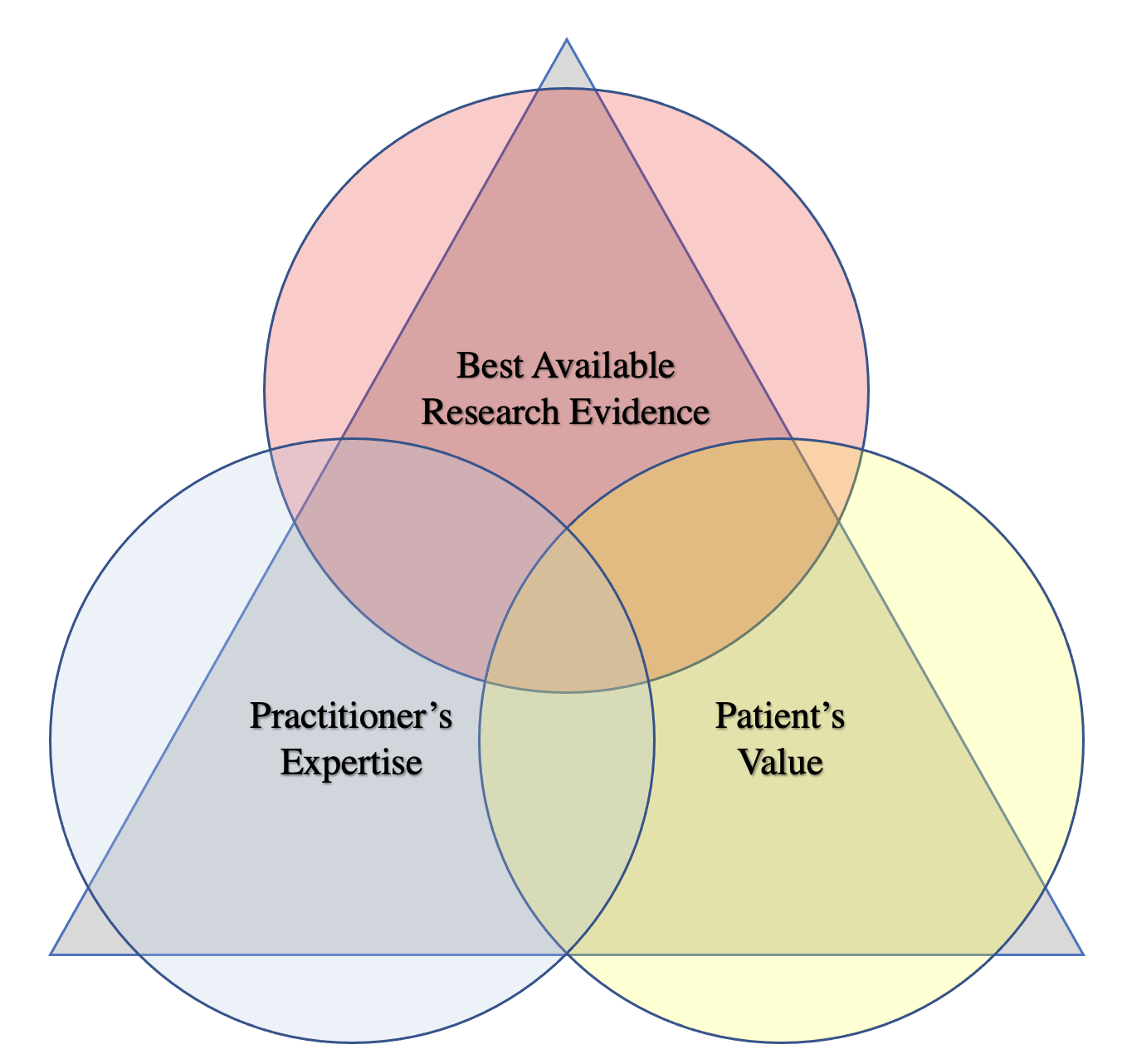
Why Evidence?
In an age where misinformation can be widespread, we stand firm in our commitment to evidence-based practice. This means that all the information we provide is backed by scientific studies and research, ensuring that our readers receive the most accurate and helpful advice possible.
Accessing, scanning and condensing the evidence can be difficult, time consuming, and at times, expensive; that’s where we come in.
~ Featured ~

How to Improve Baseball Fastball Pitching Velocity
Fastball velocity is an important performance characteristic for a baseball pitcher.
But throwing harder is not simply a matter of creating a faster arm.
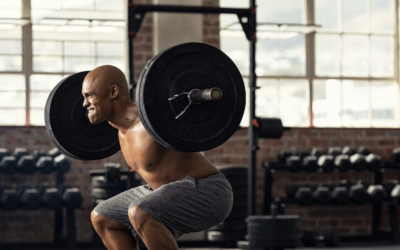
How to Improve Vertical Jump Height
Vertical jumping requires the athlete to produce a large amount of force against the ground within a short period of time.
It is particularly relevant for actions such as:
• Rebounding and shot blocking in basketball
• Spiking and blocking in volleyball
• Heading in soccer
• Jumping events in track and field
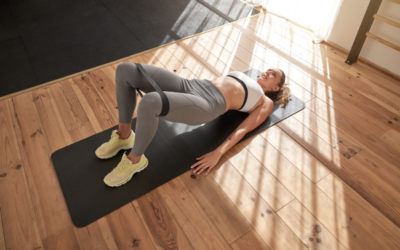
How to Improve Hip Mobility After Surgery or Injury for Return to Sport
Hip mobility is more than passive range of motion.
For sport, the athlete must be able to access, control, and produce force through the available range during tasks such as:
• Walking and running
• Squatting
• Lunging
• Single-leg support
• Acceleration and deceleration
• Cutting
• Rotation
Fitness/Conditioning
Using science in fitness helps make workout plans safe, work well, and fit each person’s needs. It keeps things up-to-date with the latest health findings and makes sure trainers are trusted and knowledgeable, leading to better health results for everyone.

Far-Infrared Therapy at Home — A Science-Informed Approach to Recovery & Wellness
Recent scientific studies have highlighted the powerful benefits of infrared therapy for muscle recovery, pain reduction, and overall wellness.

TRX All-in-One Suspension Trainer — A Portable, Full-Body Workout System for Any Environment
The TRX All-in-One Suspension Training System brings the power of a full-body workout to your home, outdoors, or on the go.

Self-Mobilization Tools That Help You Move Better, Recover Faster, and Stay Pain-Free
Your body is your greatest asset. You only get one in your lifetime, so why not take care of it? Self-mobilization is a simple yet powerful way to maintain flexibility, reduce pain, and improve movement quality—all from the comfort of your home.
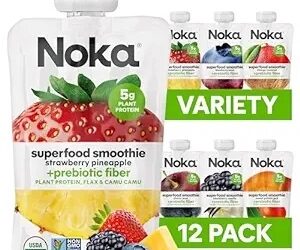
Noka Superfood Fruit Smoothie — A Convenient, Nutrient-Dense Snack for Busy Days
Noka Superfood Fruit Smoothie — A Convenient, Nutrient-Dense Snack for Busy DaysMany people struggle to maintain balanced nutrition during busy...
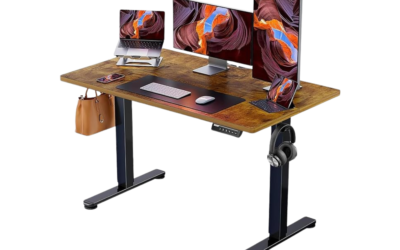
The Ergonomic Desk That Helps You Move Better Throughout the Workday
Expert Pick: The Ergonomic Desk That Helps You Move Better Throughout the Workday Sitting for long hours has become the modern norm—emails,...
Rehabilitation/Treatment
In rehabilitation, a foundation in science ensures that treatments are safe, effective, and tailored to individual needs. This approach, grounded in proven research, aids in successful recovery, prevents further injury, and builds trust between patients and therapists, ultimately promoting faster and more effective healing.
Far-Infrared Therapy at Home — A Science-Informed Approach to Recovery & Wellness
Recent scientific studies have highlighted the powerful benefits of infrared therapy for muscle recovery, pain reduction, and overall wellness.
TRX All-in-One Suspension Trainer — A Portable, Full-Body Workout System for Any Environment
The TRX All-in-One Suspension Training System brings the power of a full-body workout to your home, outdoors, or on the go.
Self-Mobilization Tools That Help You Move Better, Recover Faster, and Stay Pain-Free
Your body is your greatest asset. You only get one in your lifetime, so why not take care of it? Self-mobilization is a simple yet powerful way to maintain flexibility, reduce pain, and improve movement quality—all from the comfort of your home.
Noka Superfood Fruit Smoothie — A Convenient, Nutrient-Dense Snack for Busy Days
Noka Superfood Fruit Smoothie — A Convenient, Nutrient-Dense Snack for Busy DaysMany people struggle to maintain balanced nutrition during busy...
The Ergonomic Desk That Helps You Move Better Throughout the Workday
Expert Pick: The Ergonomic Desk That Helps You Move Better Throughout the Workday Sitting for long hours has become the modern norm—emails,...
Health & Diet
In the health and diet, using science ensures that nutrition advice is safe, works well, and suits each person’s body. It helps professionals give accurate guidance based on solid research, clear up food myths, and guide people to make healthier choices, leading to better health and prevention of diseases.
Far-Infrared Therapy at Home — A Science-Informed Approach to Recovery & Wellness
Recent scientific studies have highlighted the powerful benefits of infrared therapy for muscle recovery, pain reduction, and overall wellness.
TRX All-in-One Suspension Trainer — A Portable, Full-Body Workout System for Any Environment
The TRX All-in-One Suspension Training System brings the power of a full-body workout to your home, outdoors, or on the go.
Self-Mobilization Tools That Help You Move Better, Recover Faster, and Stay Pain-Free
Your body is your greatest asset. You only get one in your lifetime, so why not take care of it? Self-mobilization is a simple yet powerful way to maintain flexibility, reduce pain, and improve movement quality—all from the comfort of your home.
Noka Superfood Fruit Smoothie — A Convenient, Nutrient-Dense Snack for Busy Days
Noka Superfood Fruit Smoothie — A Convenient, Nutrient-Dense Snack for Busy DaysMany people struggle to maintain balanced nutrition during busy...
The Ergonomic Desk That Helps You Move Better Throughout the Workday
Expert Pick: The Ergonomic Desk That Helps You Move Better Throughout the Workday Sitting for long hours has become the modern norm—emails,...
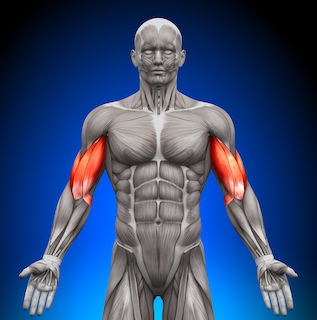
Muscle Evidence Hub
~ Don’t just work hard. Work Smart with Evidence ~
Check Out
Our Videos
We are here to provide the latest evidence on rehabilitation, fitness, health, and recovery in one location that is easy to understand and process.

Dr. Ken Usui
PT, DPT, CSCS

Dr. Consuelo Pedro
PT, DPT, CSCS

Dr. Kevan Shergill
PT, DPT, CSCS

Dr. Antoinette Auguste
PT, DPT, CSCS

Dr. Diana Paiva
PT, DPT, CSCS