
Self-Mobilization Tools That Help You Move Better, Recover Faster, and Stay Pain-Free

Many people experience daily stiffness, muscle tightness, or lingering discomfort—whether from training, long work hours, or simply life. While professional care is essential for diagnosis and treatment, research suggests that regular self-mobilization practices may help improve flexibility, reduce perceived muscle tension, and support recovery between sessions.
This Expert Pick highlights four commonly used tools—each serving a different purpose—and how they may support better movement and body maintenance at home.
Why Self-Mobilization Matters
Self-mobilization refers to techniques that allow individuals to apply controlled pressure, stretch, or movement to their own tissues. Studies suggest that methods such as self-myofascial release may offer benefits including:
-
Temporary increases in joint range of motion
-
Reduced muscle stiffness and soreness
-
Enhanced recovery between workouts
-
Improved perception of mobility and comfort
While results vary, incorporating simple mobility work into daily routines may support long-term movement quality and reduce reliance on clinical visits for minor aches.
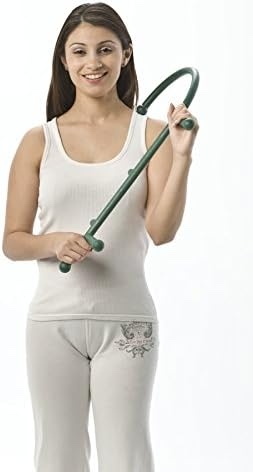
1. TheraCane — Targeted Pressure for Hard-to-Reach Areas
The TheraCane is a curved, durable massage tool designed to help users apply direct, controlled pressure to specific muscle knots, especially in the upper back, neck, and shoulders.
Why People Use It
-
Allows precise pressure on trigger-point–like areas
-
Helps relieve tightness that develops from desk work or poor posture
-
Lets you reach muscles that are difficult to access by hand
-
Pressure can be adjusted easily based on your comfort level
Best For
Desk workers, individuals with persistent shoulder/neck tension, or anyone who prefers targeted self-pressure work.
👉 Check Availability on Amazon (Affiliate Link)
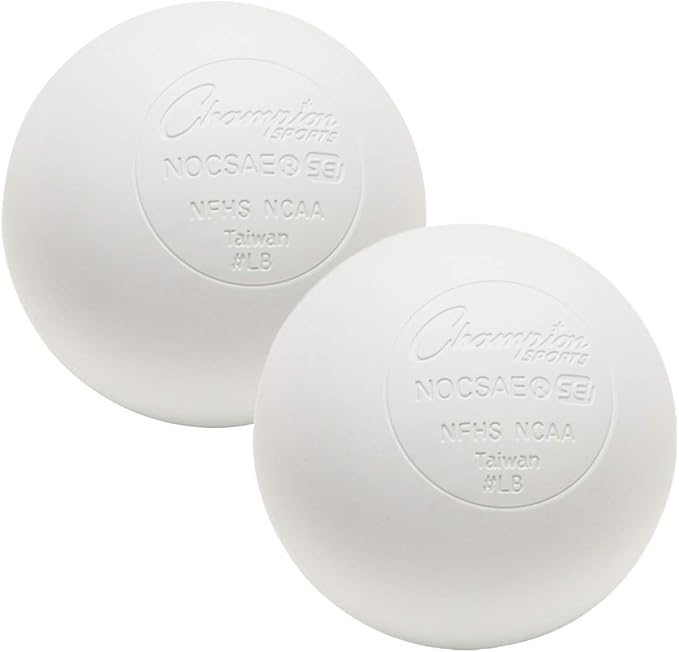
2. Lacrosse Ball — Deep, Focused Pressure for Small Areas
A lacrosse ball is one of the simplest and most affordable self-mobilization tools. Its firmness allows deep, localized pressure ideal for smaller or harder-to-reach muscles.
Why People Use It
-
Effective for the feet, glutes, rotator cuff, and small muscle groups
-
Helps address stiff areas not easily reached by foam rollers
-
Extremely portable—keep one in your gym bag, office, or car
-
May support mobility in areas that feel “stuck” or restricted
Best For
Runners, athletes, and anyone wanting precise self-massage in compact areas.
👉 Check Availability on Amazon (Affiliate Link)
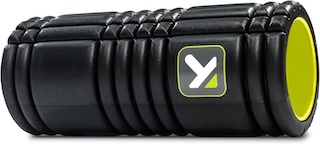
3. Foam Roller — Full-Body Release and Mobility Enhancement
A foam roller provides broad pressure across large muscle groups and is widely used in warm-ups, cooldowns, and recovery routines.
Why People Use It
-
May help reduce perceived muscle soreness after workouts
-
Encourages blood flow and general tissue mobility
-
Effective for the quads, hamstrings, calves, thoracic spine, and back
-
Great for building a consistent daily mobility routine
Best For
Beginners and experienced athletes needing a versatile, full-body mobility and recovery tool.
👉 Check Availability on Amazon (Affiliate Link)
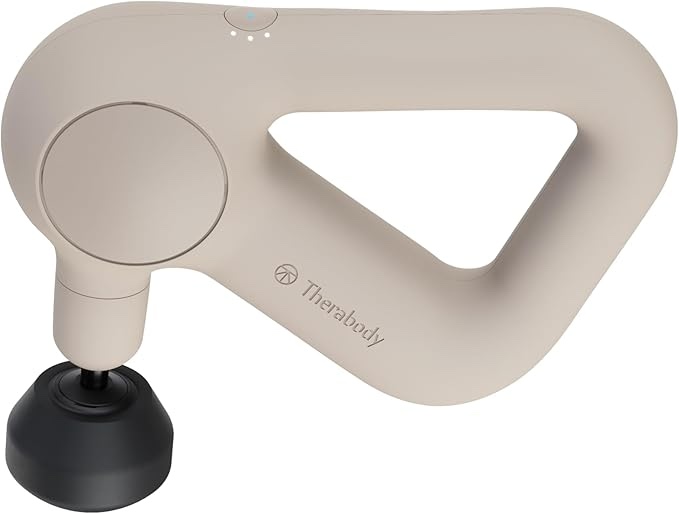
4. Theragun — High-Tech Percussive Therapy for Recovery
The Theragun delivers rapid, rhythmic pulses to the muscle belly using percussive vibration. Research suggests percussive devices may temporarily reduce stiffness and improve range of motion.
Why People Use It
-
May increase blood flow and support muscle recovery
-
Can reduce feelings of stiffness with minimal effort
-
Adjustable speeds and attachments for different muscle groups
-
Ideal for athletes needing a quick, efficient warm-up or cooldown
Best For
Athletes, gym-goers, and anyone who prefers a technology-driven recovery tool.
👉 Check Availability on Amazon (Affiliate Link)
How These Tools Fit Into a Healthy Routine
Using self-mobilization tools consistently—whether daily or a few minutes at a time—may help support:
✔ Independence
Manage minor soreness and stiffness without relying on a clinic for every issue.
✔ Consistency
Daily small habits often lead to better long-term mobility and injury prevention.
✔ Performance & Longevity
Feeling loose, mobile, and comfortable helps you move better in sports, workouts, and daily life.
Final Thoughts
Self-mobilization is not a replacement for medical care, but it can be a powerful complement that keeps you moving comfortably between sessions. By choosing tools that match your needs—whether targeted pressure, full-body work, or high-tech percussion—you take an active role in maintaining your body’s health.
Take care of your body. It’s the only one you have.