
Transversus Abdominis
A Deep Core Muscle for Lumbopelvic Control and Athletic Movement
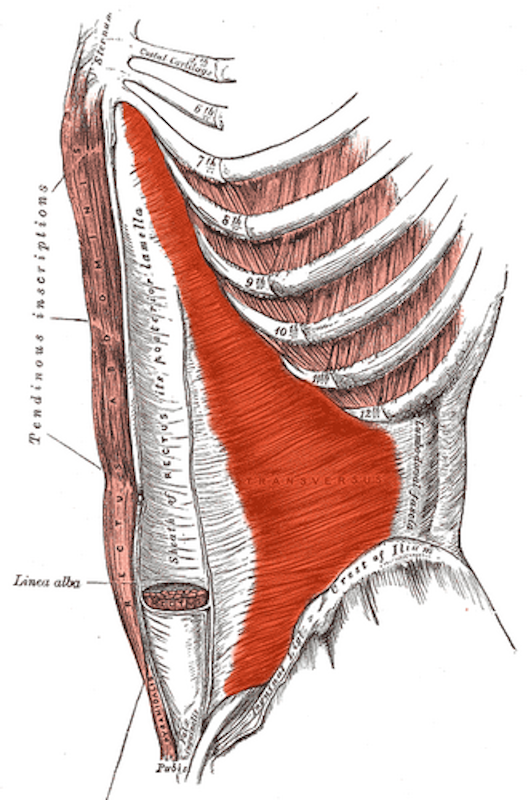
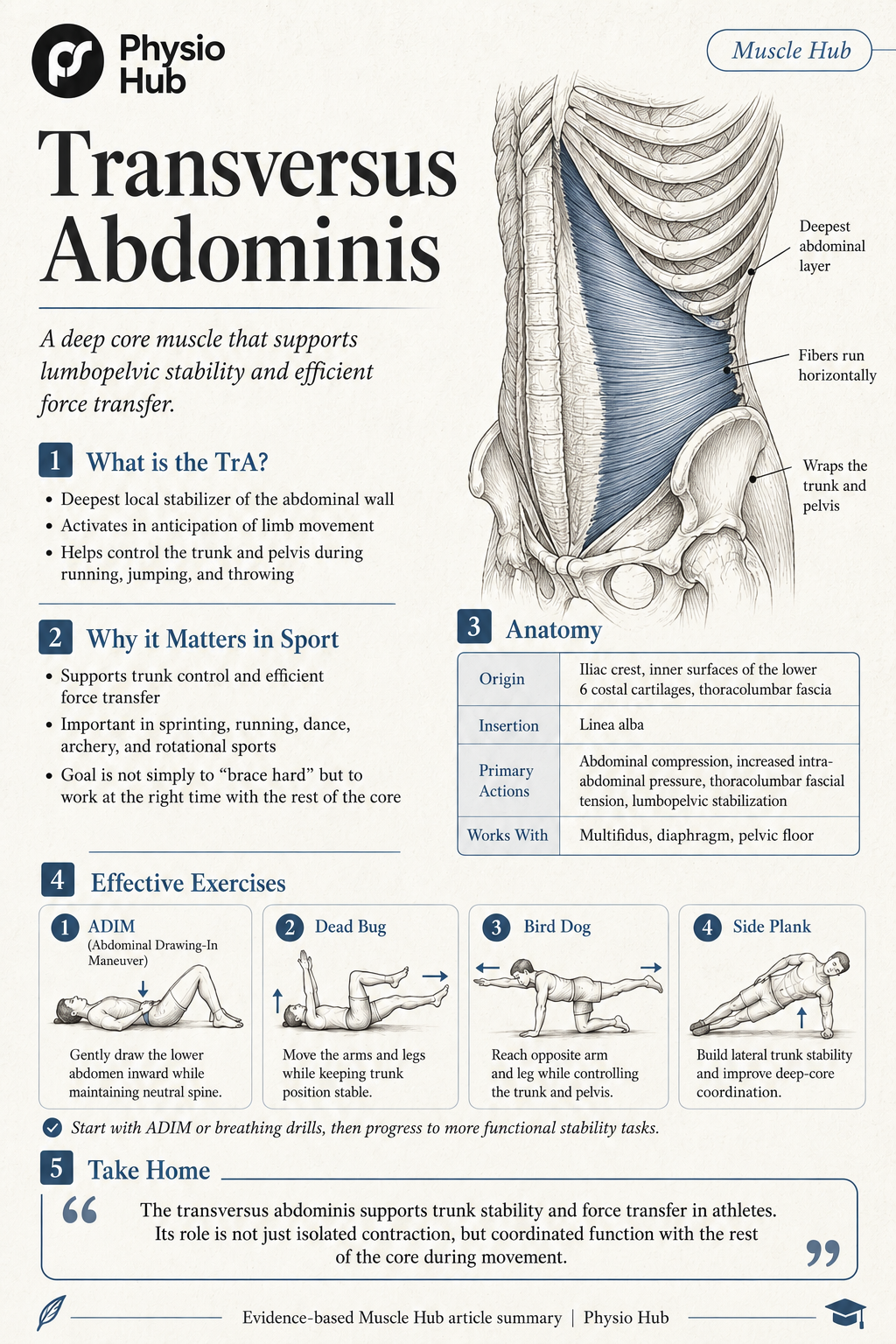
The transversus abdominis (TrA) is one of the deepest muscles of the abdominal wall and plays an important role in controlling the lumbar spine and pelvis during movement.
Its function extends far beyond simply “drawing the stomach in.” The TrA can activate in anticipation of limb movement and contributes to intra-abdominal pressure, thoracolumbar fascial tension, and lumbopelvic stiffness as part of the body’s anticipatory postural control system.¹⁻³
For athletes, this makes the TrA less of a primary force-producing muscle and more of a muscle that helps create an efficient foundation from which the extremities can produce and transfer force.
Function and Sports Relevance
The TrA is commonly described as a local stabilizing muscle of the lumbopelvic region. Its activity can precede movement of the extremities, helping prepare the trunk and pelvis for the forces that follow.¹⁻³
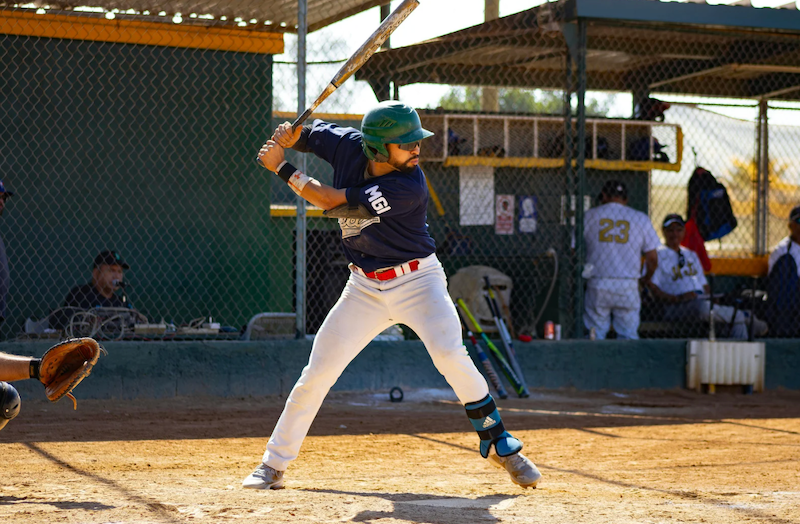
This function may be particularly relevant in sports involving:
- Sprinting
- Running
- Jumping
- Throwing
- Dance
- Archery
- Rapid rotational movements
where athletes must produce substantial force through the extremities while maintaining appropriate trunk and pelvic control.⁴⁻⁷
Sprinting
In elite collegiate sprinters, visual-feedback-guided core stabilization training aimed at improving TrA function was associated with improved TrA function as well as better 100-m sprint performance.⁴
Insufficient proximal control may allow excessive pelvic or trunk motion during sprinting, potentially reducing movement efficiency.
This does not mean that TrA dysfunction alone causes running injuries. Rather, it is one component of a larger neuromuscular system responsible for controlling the trunk during high-speed movement.
Archery
Elite archers have demonstrated greater TrA and multifidus activity and greater co-contraction than trained and beginner archers.⁵
This suggests that high-level performance in precision sports may depend partly on the ability to dynamically stabilize the trunk while the extremities perform highly controlled movements.
Dance and Running
TrA-focused core stabilization training has been associated with improvements in balance, pirouette performance, and muscle function in dancers.⁶
During running, the TrA also contributes to both trunk control and respiration. As running speed increases, the interaction between respiratory demands and trunk stabilization becomes increasingly important.⁷
Importantly, reduced or asymmetric TrA activity should not automatically be considered pathological.
Sport-specific asymmetries may reflect the demands and adaptations of training, and TrA activation should be interpreted within the context of the athlete’s overall movement strategy, symptoms, and performance.¹˒³
Anatomy of
the Transversus Abdominis
Origin
The TrA originates primarily from the:
- Iliac crest
- Inner surfaces of the lower six costal cartilages
- Thoracolumbar fascia⁷
It lies deep within the lateral abdominal wall. Posteriorly, it is continuous with the thoracolumbar fascia, while anteriorly its fibers transition into the transversus abdominis aponeurosis and rectus sheath.⁸˒⁹
Insertion
The TrA inserts primarily into the:
Linea alba.⁷⁻⁹
Through this broad fascial connection, contraction of the TrA can increase tension across the abdominal wall and contribute to trunk stiffness.
Actions
Primary functions of the TrA include:
- Compressing the abdominal contents
- Reducing abdominal cross-sectional area
- Increasing intra-abdominal pressure
- Tensioning the thoracolumbar fascia
- Contributing to lumbar and pelvic stability⁷˒⁸˒¹⁰
The TrA also works synergistically with the:
- Multifidus
- Diaphragm
- Pelvic floor
as part of the deeper trunk stabilization system.³˒¹¹
Why Does This Matter for Athletes?
The trunk is not meant to remain completely rigid during sport.
Running, jumping, throwing, changing direction, and striking all require force to travel between the lower extremities, trunk, and upper extremities.
The TrA helps create the appropriate amount of lumbopelvic stiffness needed to control unwanted motion while still allowing the movement required for the task.
For that reason, the goal of TrA training should not simply be:
“Contract the TrA as hard as possible.”
A more relevant goal is:
Develop the ability to recruit the TrA at the appropriate time and coordinate it with the rest of the trunk musculature during movement.
Effective Exercises for
the Transversus Abdominis
Commonly supported exercises and strategies for targeting the TrA include:
- Abdominal Drawing-In Maneuver (ADIM)
- Dead Bug
- Bird Dog
- Side Plank
- Deep-expiration exercises²˒¹⁰⁻¹⁵
There is no universally “best” TrA exercise.
Exercise selection should depend on whether the goal is to improve selective local muscle recruitment or develop integrated trunk stability during athletic movement.
Exercise 1 | Abdominal Drawing-In Maneuver
The abdominal drawing-in maneuver is one of the most commonly studied strategies for selectively recruiting the TrA.¹¹⁻¹³
How It Is Performed
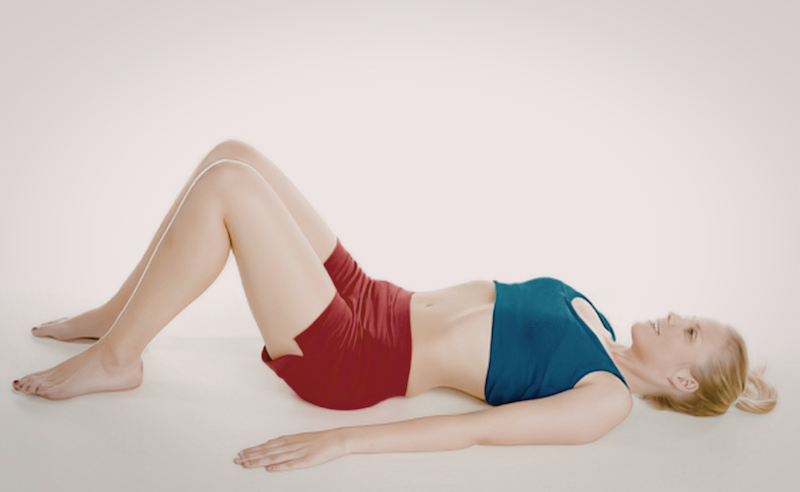
While maintaining a neutral lumbar position, gently draw the lower abdominal wall inward without aggressively bracing or holding the breath.
Breathing should remain relaxed.
Why It May Be Useful
ADIM can help an athlete learn to recruit the deeper abdominal musculature without relying excessively on the more superficial trunk muscles.¹¹⁻¹³
Because the TrA is deep and difficult to directly palpate or voluntarily isolate, feedback can be useful during early motor learning.
Examples include:
- Ultrasound imaging
- Pressure biofeedback
- Visual feedback¹²˒¹³
ADIM is therefore best viewed as a motor-control exercise, rather than a high-level athletic strength exercise.
Exercise 2 | Dead Bug
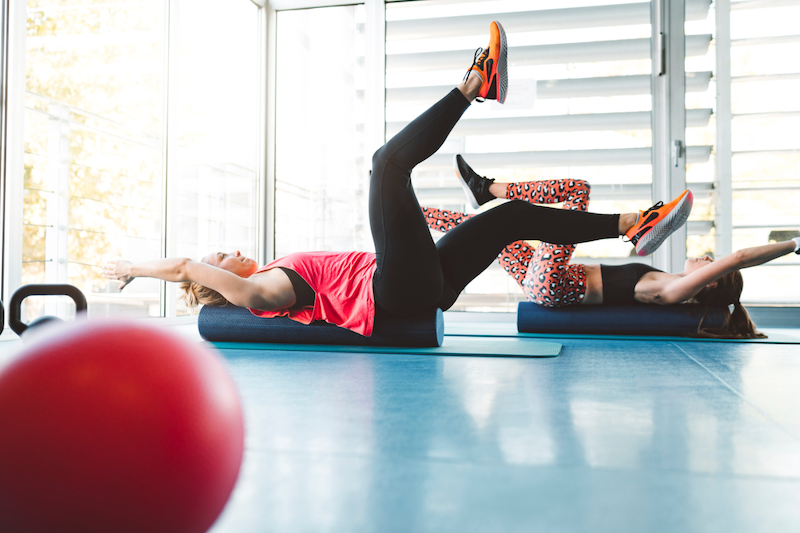
The Dead Bug progresses TrA training from an isolated contraction toward maintaining trunk and pelvic control while the extremities move.
Instead of simply asking the athlete to “activate the core,” the exercise requires the athlete to:
maintain lumbopelvic position while producing independent arm and leg movement.
In comparisons of Pilates-based exercises, the Dead Bug produced one of the largest increases in TrA muscle thickness.¹⁴
This makes it a useful transition between isolated motor-control training and more dynamic athletic tasks.
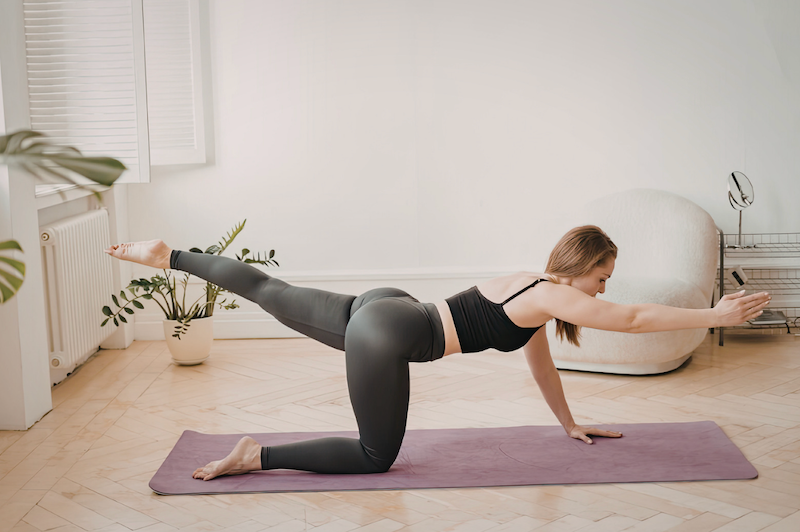
Exercise 3 | Bird Dog
The Bird Dog requires the athlete to maintain trunk and pelvic control while extending the opposite arm and leg.
Studies examining hollowing-based stabilization exercises have reported substantial TrA recruitment during Bird Dog and Side Plank variations.²
The Bird Dog also requires coordination among the:
- TrA
- Multifidus
- Hip musculature
- Scapular stabilizers
making it particularly useful when progressing from isolated TrA activation toward integrated trunk control.
Hollowing vs Bracing
Neither strategy is universally superior.
They serve different purposes.
Hollowing
Hollowing gently draws the abdominal wall inward and tends to emphasize local stabilizers such as the TrA.
It can therefore be useful when the goal is:
motor learning or relatively selective TrA recruitment.
Bracing
Bracing involves creating circumferential trunk stiffness by co-contracting multiple abdominal and trunk muscles.
It recruits a broader combination of local and global muscles and may therefore be more appropriate during higher-load or sport-specific tasks.²˒¹⁴
A practical distinction is:
TrA motor learning → Hollowing / ADIM
High-load athletic trunk control → Integrated bracing and whole-core training
Both strategies can have a place within an athlete’s progression.
Practical Progression
One possible progression is:
ADIM / Deep Expiration
↓
Dead Bug
↓
Bird Dog / Side Plank
↓
Loaded or Standing Trunk-Control Exercises
↓
Sport-Specific Running, Jumping, Throwing, or Change-of-Direction Tasks
Deep expiration performed with the hips and knees positioned at approximately 90° has also produced high TrA contraction ratios and may provide a useful early-stage activation strategy.¹⁰
As the athlete progresses, however, TrA training should become increasingly integrated into functional movement rather than remaining an isolated abdominal exercise.
< Take-Home Message >
The transversus abdominis is a deep abdominal muscle that contributes to intra-abdominal pressure, thoracolumbar fascial tension, and control of the lumbar spine and pelvis.³˒⁷˒⁸
For athletes, its importance is not simply how strongly the muscle can contract in isolation.
What matters more is whether the TrA can contribute appropriately to trunk control while an athlete runs, jumps, throws, changes direction, or produces force through the extremities.
Early training may include ADIM or breathing-based strategies to improve motor control, followed by exercises such as the Dead Bug, Bird Dog, and Side Plank, and ultimately more dynamic and sport-specific tasks.²˒¹⁰⁻¹⁵
The evidence should also be interpreted cautiously.
Because the TrA is a deep muscle, direct EMG research is technically challenging, and studies vary considerably in methodology.¹⁹ Therefore, current evidence does not justify labeling one exercise as the single “best” TrA exercise or assuming that isolated TrA weakness is the cause of an athlete’s symptoms.
The ultimate goal is not simply to activate the TrA.
It is to develop a trunk that can efficiently stabilize, transfer force, and adapt to the demands of athletic movement.
< PDF file>
< Reference >
- Kiełtyka N, Łaczek-Wójtowicz M. Activity of the transverse abdominis muscle and its role in lower trunk stability and injury prevention in strength training men and football players. Physiotherapy Review. 2025;29(2):66-79. doi:10.5114/phr.2025.152202.
- Tsartsapakis I, Bagioka I, Fountoukidou F, Kellis E. A comparison between core stability exercises and muscle thickness using two different activation maneuvers. J Funct Morphol Kinesiol. 2024;9(2):70. doi:10.3390/jfmk9020070.
- Gaudreault N, Benoît-Piau J, van Wingerden JP, Stecco C, Daigle F, Léonard G. An investigation of the association between transversus abdominis myofascial structure and activation with age in healthy adults using ultrasound imaging. Int J Sports Phys Ther. 2021;16(4):1093-1103. doi:10.26603/001c.25168.
- An JM, Lee PK. Effects of visual feedback-guided core stabilization on transversus abdominis function and sprint performance in elite collegiate sprinters. Edelweiss Appl Sci Technol. 2026;10(5):106-116. doi:10.55214/2576-8484.v10i5.12866.
- Azhar S, Sharma S, Sharma S, Tanwar T. EMG activity of transversus abdominis, multifidus and co-contraction index in different phases amongst varied level archers: a cross-sectional study. Polish J Sport Tour. 2021;28(1):19-23. doi:10.2478/pjst-2021-0004.
- Watson T, Graning J, McPherson S, et al. Dance, balance and core muscle performance measures are improved following a 9-week core stabilization training program among competitive collegiate dancers. Int J Sports Phys Ther. 2017;12(1):25-41.
- Mitchell UH, Johnson AW, Owen PJ, Rantalainen T, Belavy D. Transversus abdominis and multifidus asymmetry in runners measured by MRI: a cross-sectional study. BMJ Open Sport Exerc Med. 2019;5(1):e000556. doi:10.1136/bmjsem-2019-000556.
- Gao Y, Yu L, Chen C, Li D, Ye M. Preliminary observations on the effect of Kegel exercise and perihip muscle exercise training and combined training on transversus abdominis thickness in healthy young women. Medicine (Baltimore). 2026;105(16):e48388. doi:10.1097/MD.0000000000048388.
- Luo X, Leng X, Jiang J, Yang K, Ma R. The relationship between transversus abdominis and rehabilitation exercises for diastasis recti abdominis: a scoping review. J Bodyw Mov Ther. 2025;45:619-626. doi:10.1016/j.jbmt.2025.09.035.
- Hu N, Huang F, Yu R, MacAlevey NCYL, Zeng Y, Miao P. The investigation of ultrasound to assess lateral abdominal wall activation with different types of core exercises. BMC Sports Sci Med Rehabil. 2024;16(1):222. doi:10.1186/s13102-024-01009-x.
- Hsieh YL, Weng TY, Yang NP, Lai YL, Chien A. The effects of abdominal draw-in maneuvers combined with blood flow restriction on the transverse abdominis in university students with sedentary lifestyles. Life (Basel). 2025;15(6):965. doi:10.3390/life15060965.
- Lee JY, Lee DY. The effect of therapeutic abdominal drawing-in maneuver using ultrasonography on lateral abdominal muscle thickness and balance. J Back Musculoskelet Rehabil. 2018;31(6):1139-1143. doi:10.3233/BMR-171080.
- Sharma R, Singh G, Kothiyal S, Verma S. Enhancing core stability and strength through abdominal drawing-in maneuver training using a sphygmomanometer: a narrative review. J Bodyw Mov Ther. 2025;43:228-236. doi:10.1016/j.jbmt.2025.04.035.
- Tsartsapakis I, Pantazi GA, Konstantinidou A, Zafeiroudi A, Kellis E. Spinal muscle thickness and activation during abdominal hollowing and bracing in CrossFit athletes. Sports (Basel). 2023;11(8):159. doi:10.3390/sports11080159.
- Selkow NM, Eck MR, Rivas S. Transversus abdominis activation and timing improves following core stability training: a randomized trial. Int J Sports Phys Ther. 2017;12(7):1048-1056. doi:10.26603/ijspt20171048.
- Niewiadomy P, Szuścik-Niewiadomy K, Kuszewski MT, et al. Assessment of the influence of global and local exercises on core stabilization mechanisms: randomized controlled trial. J Sports Med Phys Fitness. 2021;61(1):44-52. doi:10.23736/S0022-4707.20.11086-7.
- Lee K. Effects of core stability training on deep stabilizing muscle function and neuromuscular control. Medicina (Kaunas). 2025;61(3):364. doi:10.3390/medicina61030364.
- Srivastav P, Nayak N, Nair S, Sherpa LB, Dsouza D. Swiss ball versus mat exercises for core activation of transverse abdominis in recreational athletes. J Clin Diagn Res. 2016;10(12):YC01-YC03. doi:10.7860/JCDR/2016/23102.8972.
- Oliva-Lozano JM, Muyor JM. Core muscle activity during physical fitness exercises: a systematic review. Int J Environ Res Public Health. 2020;17(12):4306. doi:10.3390/ijerph17124306.