
Monster Walk
A Band-Resisted, Weight-Bearing Exercise for Gluteal and Hip Control
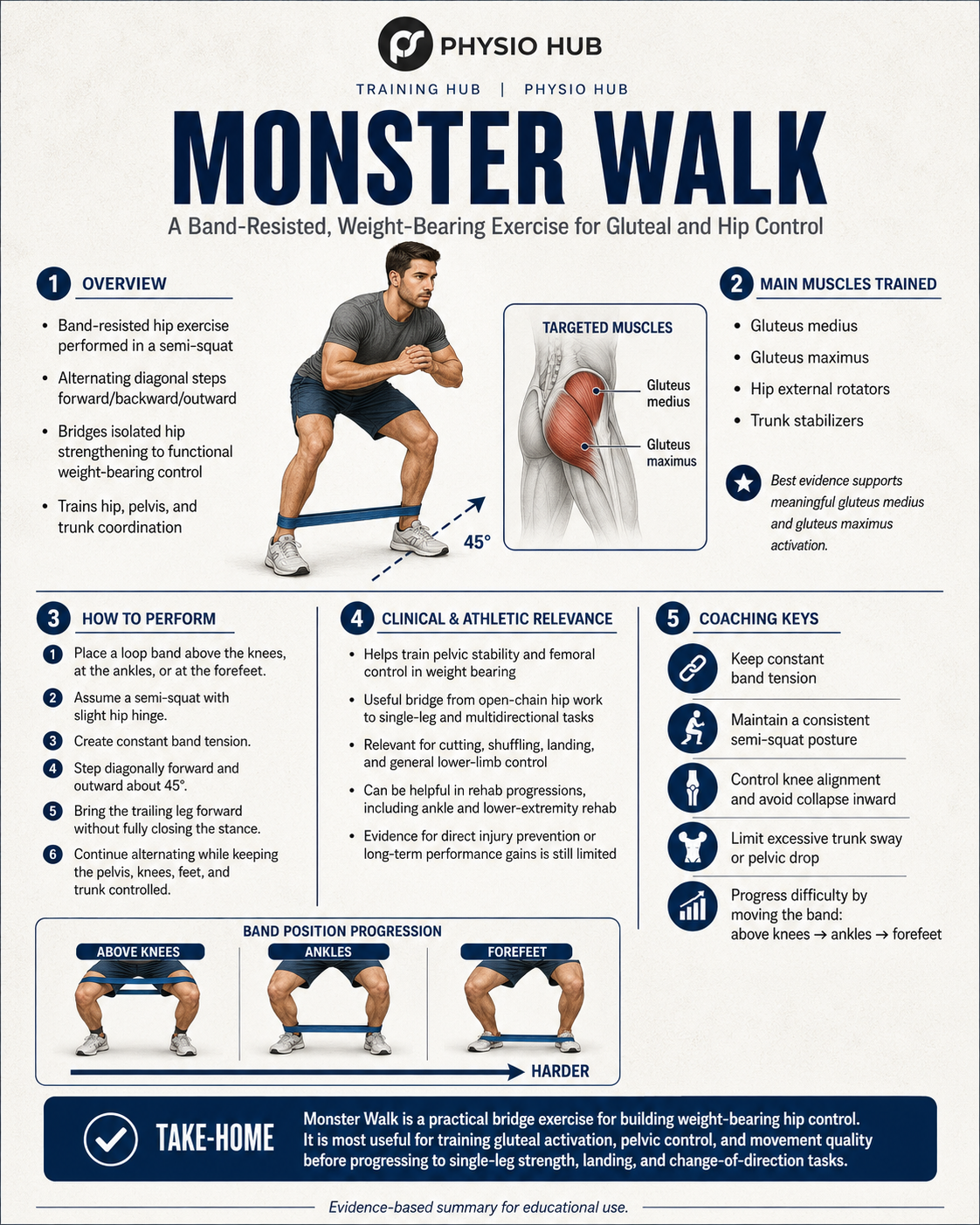
The Monster Walk is a band-resisted hip exercise typically performed in a semi-squat while taking alternating diagonal steps forward, backward, or outward.¹
Its primary targets are the hip abductors and external rotators, particularly the gluteus medius and gluteus maximus, while the stance limb and trunk must simultaneously control the pelvis and overall body position.¹
Unlike open-chain exercises such as Side-Lying Hip Abduction, Monster Walks challenge the athlete to use the hip musculature while standing and accepting body weight.
This makes the exercise a useful bridge between isolated hip strengthening and more demanding single-leg and multidirectional athletic tasks.¹

Exercise Overview
A resistance loop is typically positioned:
- Above the knees
- Around the ankles
- Around the forefeet
The athlete assumes a semi-squat and maintains resistance in the band while alternating diagonal steps.
In a traditional forward Monster Walk, each step travels approximately:
forward + outward
rather than purely straight ahead.
The exercise therefore challenges the:
moving limb + stance limb + pelvis + trunk
at the same time.¹
This is one of the main reasons Monster Walks are considered more functionally integrated than isolated non-weight-bearing hip-abduction exercises.
How to Perform the Monster Walk
Step 1 | Place the Resistance Band
Place a looped resistance band around both legs.
For an easier version, begin above the knees.
To increase the mechanical demand, the band can be moved distally toward the:
ankles → forefeet.
The available literature generally demonstrates greater gluteal activation with more distal band placement.¹˒²
Step 2 | Assume a Semi-Squat
Position the feet approximately shoulder width apart.
Slightly flex the:
- Hips
- Knees
and establish a comfortable hip hinge.
Band-walk techniques commonly use approximately 30° of hip and knee flexion, although the exact depth should be individualized.¹
Maintain control of the trunk and pelvis rather than leaning excessively from side to side.
Step 3 | Establish Constant Band Tension
Press the legs outward enough to create resistance in the band.
Do not allow the feet to come completely together between steps.
A major principle of the exercise is:
maintain relatively consistent resistance throughout the movement.
Step 4 | Step Forward and Out
Move one foot diagonally:
**forward and outward at approximately 45°.**¹
Control the:
- Pelvis
- Femur
- Knee
- Foot
- Trunk
throughout the step.
The goal is not to force the knees outward as far as possible.
It is to maintain appropriate lower-extremity alignment while overcoming the elastic resistance.
Step 5 | Advance the Trailing Leg
Bring the opposite leg forward.
Do not completely close the stance and lose band tension.
Maintain enough separation to preserve resistance.
Step 6 | Continue Alternating
Continue alternating diagonal steps.
The exercise can also be performed in reverse by stepping backward and outward while maintaining the same trunk, pelvic, and lower-extremity control.
Key Coaching Points
Prioritize:
✓ Constant band tension
✓ Stable pelvic position
✓ Controlled knee alignment
✓ Controlled foot placement
✓ Consistent semi-squat posture
A larger step or heavier band is not automatically better if the athlete loses these positions.¹
What Muscles Does the Monster Walk Train?
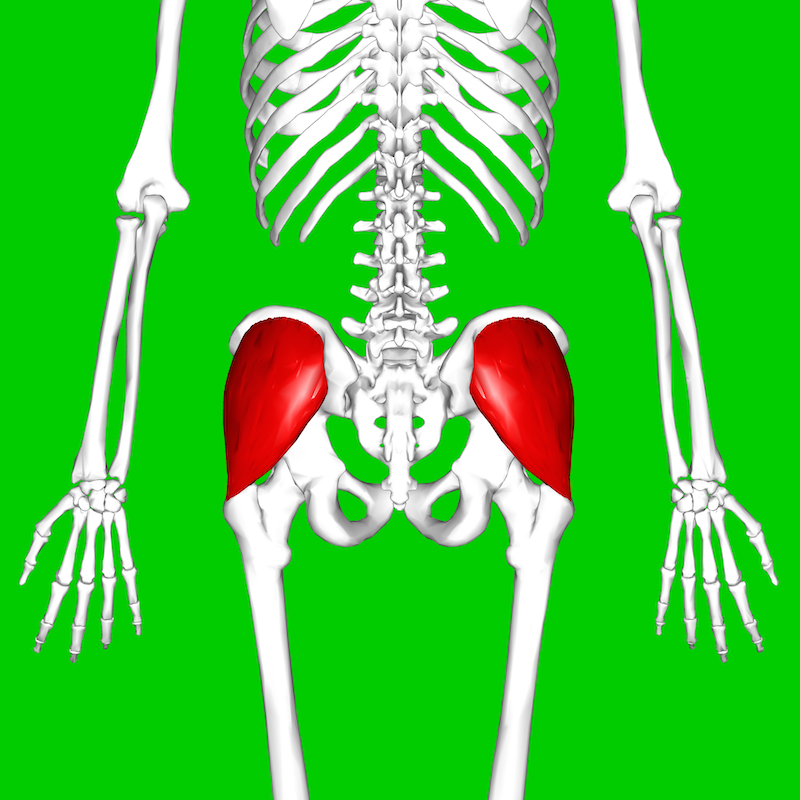
Gluteus Medius
The gluteus medius is one of the primary target muscles.
It contributes to hip abduction and helps control the pelvis and femur during weight bearing.
A 2025 review reported moderate-to-high gluteus medius activation during lateral and Monster Walk variations, particularly when bands were positioned at the ankles or forefeet and the exercise was performed in a semi-squat.¹
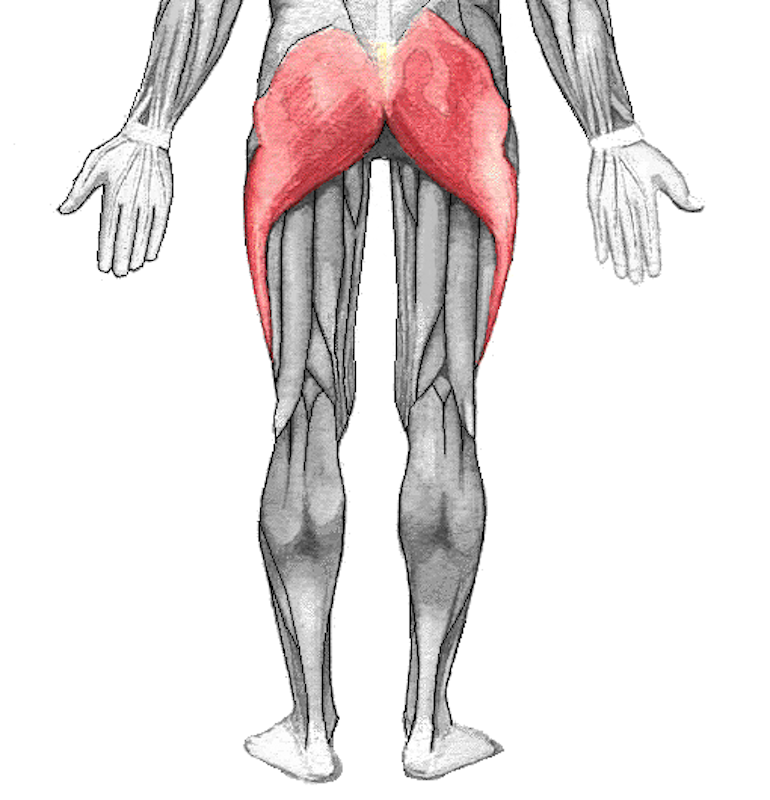
Gluteus Maximus
The gluteus maximus contributes to hip extension and external rotation.
Band walking creates rotational as well as frontal-plane demands on the hip.
Placing the band around the forefeet can create an additional internal-rotation torque, increasing the requirement for the gluteal external rotators while limiting additional TFL recruitment.¹
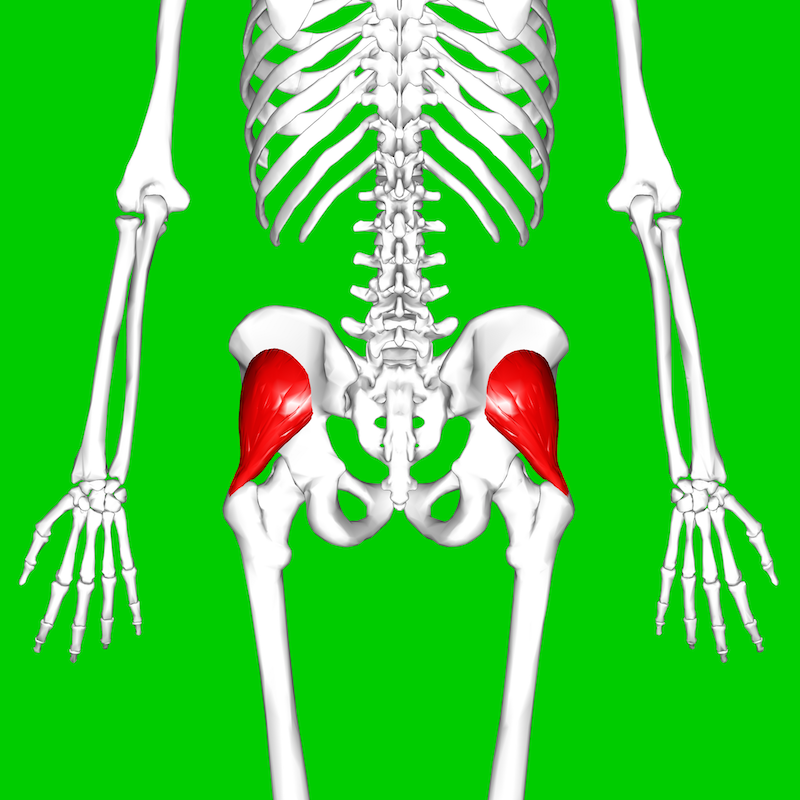
Gluteus Minimus
The gluteus minimus contributes to hip abduction and pelvic control and is functionally part of the system being trained.
However, direct Monster Walk research measuring the gluteus minimus is less extensive than research on the gluteus medius and maximus.
It is therefore more accurate to describe Monster Walks as training the hip-abductor system rather than claiming selective gluteus minimus strengthening.
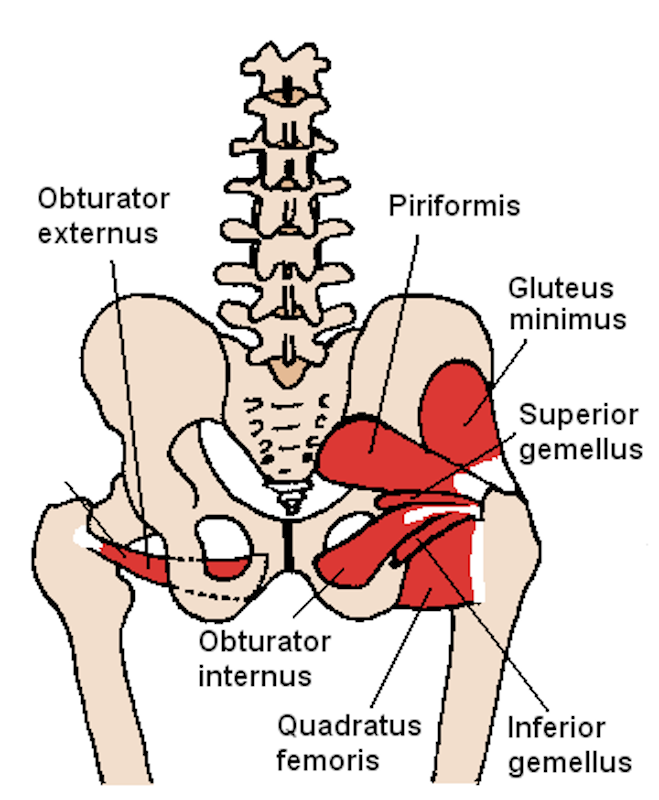
Hip External Rotators
The band creates forces that must be controlled in the transverse plane, particularly with more distal placement.
The external rotators therefore contribute to maintaining femoral position during the exercise.¹
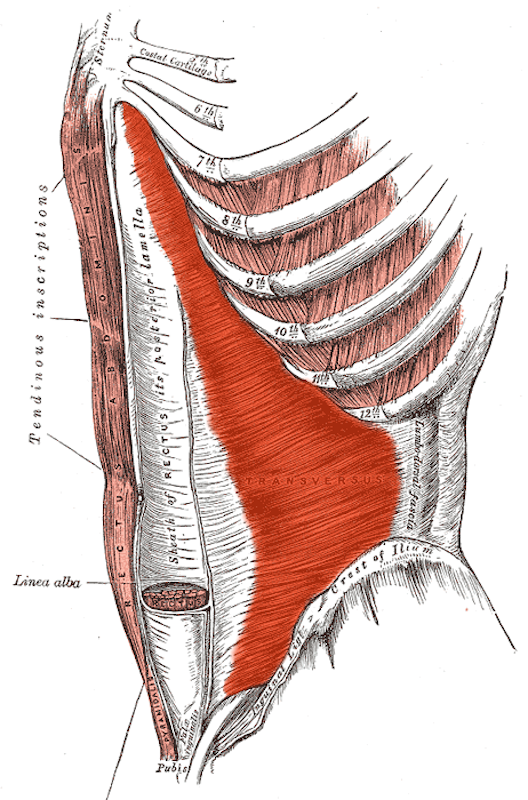
Trunk Musculature
The trunk also contributes to maintaining posture while body weight shifts from one limb to the other.
Monster Walks are therefore not simply an exercise designed to:
“feel the glutes burn.”
They require coordinated hip, pelvis, and trunk control under load.
Clinical Relevance
From Isolation to Weight Bearing
A major clinical advantage of the Monster Walk is that it allows hip-muscle training to occur in a standing position.
It can therefore provide a progression from exercises such as:
Clamshell / Side-Lying Hip Abduction
toward:
single-leg strengthening and functional weight-bearing tasks.
This does not necessarily make it superior to open-chain exercises; the exercises simply serve different purposes.¹
Dynamic Knee Valgus
Hip-abductor and external-rotator function can contribute to control of femoral motion during weight-bearing activity.
In a 2025 study, lateral band walking performed in different postures produced different immediate effects. A deadlift-posture condition resulted in better single-leg jump height and posterolateral and total Y-Balance scores and reduced measures of dynamic knee valgus compared with the other tested positions.³
This does not demonstrate that Monster Walks prevent ACL injury.
Dynamic knee valgus is influenced by many factors involving the trunk, hip, knee, ankle, task, fatigue, and movement skill.
Monster Walks should therefore be considered one option for training proximal lower-extremity control, not a complete injury-prevention intervention.
Ankle Rehabilitation
Hip function may also be relevant after ankle injuries.
Koldenhoven and colleagues studied 67 adults with and without histories of lateral ankle sprain and chronic ankle instability.
During resisted band walking, moving the band from the lower leg to the forefoot increased gluteus medius thickness by approximately 3.0%-5.8% across all groups.²
This supports the ability to adjust proximal hip demand during lower-extremity rehabilitation simply by modifying band position.
However, this was an acute ultrasound response and should not be interpreted as evidence of long-term strength gain by itself.
Does the Monster Walk Improve Athletic Performance?
Direct evidence remains limited.
A 2025 study in university athletes found that adding a brief targeted activation sequence consisting of:
- Band squats
- Band lateral walks
- Skater hops
to a general warm-up acutely improved change-of-direction performance.⁴
However, the effect cannot be attributed to Monster Walks or band walking alone, because the intervention contained multiple exercises and added additional warm-up volume.
It also examined an acute response rather than long-term athletic development.
For this reason, the Monster Walk is better viewed as an exercise that can help prepare hip and pelvic control for higher-level training, rather than an exercise that directly makes an athlete faster or better at cutting.
Band Placement Changes the Exercise
Above the Knees
Lower mechanical demand.
Useful for early rehabilitation or beginners.
Ankles
Longer lever arm and greater hip-abductor demand.¹
Forefeet
Greater gluteal demand plus additional rotational control.¹˒²
Koldenhoven et al found greater gluteus medius thickness with forefoot than lower-leg placement during resisted band walking.²
Band placement can therefore function as a simple progression variable.
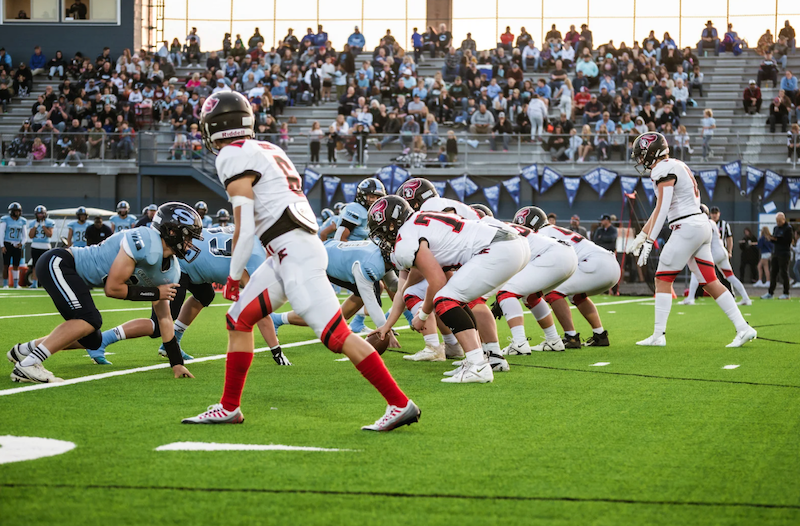
Why It Matters for Athletes
Monster Walks train the gluteal musculature in a:
standing + weight-bearing + multidirectional environment.
During running, cutting, defensive shuffling, and landing, the hip abductors do not simply move the leg sideways.
They help the athlete control the pelvis and femur while the body is supported over one limb.
Monster Walks can help introduce this type of control before progressing toward higher-force and higher-speed tasks.¹
Practical Progression
Band Above Knees
↓
Lateral Band Walk
↓
Monster Walk With Band at Ankles
↓
Monster Walk With Band at Forefeet
↓
Faster / More Complex Multidirectional Band Steps
↓
Single-Leg Strength + Landing
↓
Shuffle / Cutting / Change of Direction
Progression should involve more than simply choosing a stronger resistance band.
Think:
Resistance → Lever Arm → Movement Complexity → Speed → Sport Specificity
< Take-Home Message >
The Monster Walk is a band-resisted, weight-bearing hip exercise that challenges the hip abductors and external rotators while the athlete controls the pelvis, femur, and trunk.¹
The strongest evidence supports meaningful activation of the:
gluteus medius and gluteus maximus, particularly with bands placed distally at the ankles or forefeet.¹˒²
Clinically, Monster Walks can provide a useful bridge between isolated hip strengthening and higher-level weight-bearing movement.
However, current research does not justify claiming that Monster Walks alone prevent ACL injuries, eliminate dynamic knee valgus, or directly improve sport performance.
For athletes, their best role is often:
Monster Walk → Unilateral Strength → Landing/Plyometrics → Cutting → Sport.
The Monster Walk is a useful bridge exercise—not the final destination.
< PDF file>
< Reference >
- González-de-la-Flor Á. Optimizing hip abductor strengthening for lower extremity rehabilitation: a narrative review on the role of monster walk and lateral band walk. J Funct Morphol Kinesiol. 2025;10(3):294. doi:10.3390/jfmk10030294.
- Koldenhoven RM, Fraser JJ, Saliba SA, Hertel J. Ultrasonography of gluteal and fibularis muscles during exercises in individuals with a history of lateral ankle sprain. J Athl Train. 2019;54(12):1287-1295. doi:10.4085/1062-6050-406-18.
- Oh S, Kim Y, Han J. Immediate effect of posture-dependent and weight-bearing gluteus medius exercise on muscle function in the lower extremities and dynamic knee valgus. Isokinet Exerc Sci. 2025;33(1):46-57. doi:10.3233/IES-240045.
- Onodera K. Activation warm-ups enhance change of direction performance in university athletes. J Appl Sports Sci. 2025;9(2):155-164. doi:10.37393/JASS.2025.09.02.11.