
Evidence-Based Article
Physio Hub
~ Do Life Smart with Evidence ~
Your Trusted Source for Science-Backed Health and Fitness Guidance
Why Evidence?
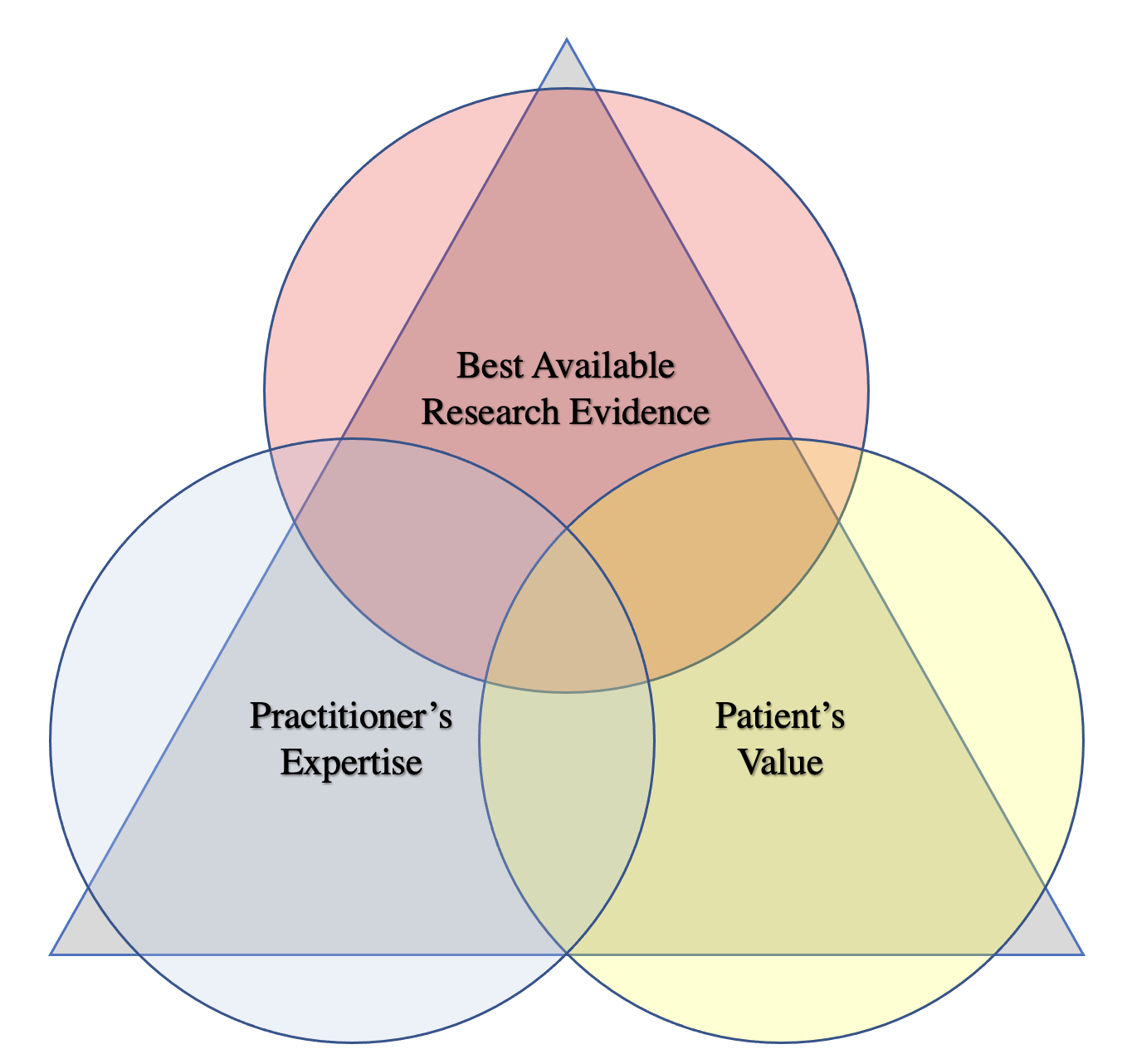
In an age where misinformation can be widespread, we stand firm in our commitment to evidence-based practice. This means that all the information we provide is backed by scientific studies and research, ensuring that our readers receive the most accurate and helpful advice possible.
Accessing, scanning and condensing the evidence can be difficult, time consuming, and at times, expensive; that’s where we come in.
~ Featured ~

Monster Walk
The Monster Walk is a band-resisted hip exercise typically performed in a semi-squat while taking alternating diagonal steps forward, backward, or outward.

Front Plank
Front PlankA Foundational Isometric Exercise for Trunk Endurance and Lumbopelvic Control The Front Plank, often called the Forearm Plank, is a...
Pull-Up
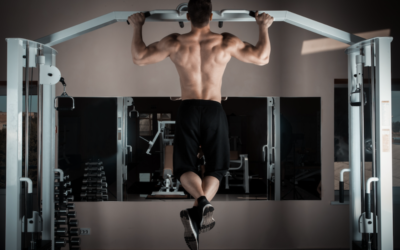
The Pull-Up is a multi-joint, closed-chain upper-body exercise in which the athlete suspends from an overhead bar and pulls the body upward against body weight.
Fitness/Conditioning
Using science in fitness helps make workout plans safe, work well, and fit each person’s needs. It keeps things up-to-date with the latest health findings and makes sure trainers are trusted and knowledgeable, leading to better health results for everyone.
Monster Walk
The Monster Walk is a band-resisted hip exercise typically performed in a semi-squat while taking alternating diagonal steps forward, backward, or outward.
Front Plank
Front PlankA Foundational Isometric Exercise for Trunk Endurance and Lumbopelvic Control The Front Plank, often called the Forearm Plank, is a...
Pull-Up
The Pull-Up is a multi-joint, closed-chain upper-body exercise in which the athlete suspends from an overhead bar and pulls the body upward against body weight.

Back Squat
The Back Squat is a multijoint resistance exercise performed with a barbell positioned across the posterior shoulder region while the athlete coordinates motion at the hips, knees, ankles, and trunk to descend and return to standing.
Dead Bug
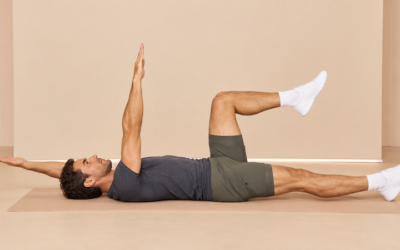
The Dead Bug is a supine core-stability exercise in which the athlete maintains control of the trunk and pelvis while moving the extremities, typically beginning with the hips and knees near 90° and the arms directed toward the ceiling.
Infraspinatus
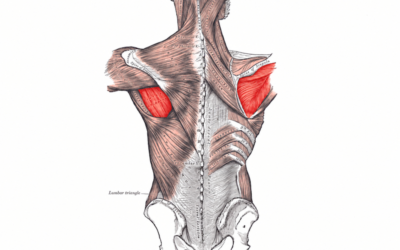
The infraspinatus is one of the four rotator cuff muscles and serves two major roles: it produces glenohumeral external rotation torque and helps dynamically stabilize the humeral head within the glenoid.
Rehabilitation/Treatment
In rehabilitation, a foundation in science ensures that treatments are safe, effective, and tailored to individual needs. This approach, grounded in proven research, aids in successful recovery, prevents further injury, and builds trust between patients and therapists, ultimately promoting faster and more effective healing.
Monster Walk
The Monster Walk is a band-resisted hip exercise typically performed in a semi-squat while taking alternating diagonal steps forward, backward, or outward.
Front Plank
Front PlankA Foundational Isometric Exercise for Trunk Endurance and Lumbopelvic Control The Front Plank, often called the Forearm Plank, is a...
Pull-Up
The Pull-Up is a multi-joint, closed-chain upper-body exercise in which the athlete suspends from an overhead bar and pulls the body upward against body weight.
Back Squat
The Back Squat is a multijoint resistance exercise performed with a barbell positioned across the posterior shoulder region while the athlete coordinates motion at the hips, knees, ankles, and trunk to descend and return to standing.
Dead Bug
The Dead Bug is a supine core-stability exercise in which the athlete maintains control of the trunk and pelvis while moving the extremities, typically beginning with the hips and knees near 90° and the arms directed toward the ceiling.
Infraspinatus
The infraspinatus is one of the four rotator cuff muscles and serves two major roles: it produces glenohumeral external rotation torque and helps dynamically stabilize the humeral head within the glenoid.
Health & Diet
In the health and diet, using science ensures that nutrition advice is safe, works well, and suits each person’s body. It helps professionals give accurate guidance based on solid research, clear up food myths, and guide people to make healthier choices, leading to better health and prevention of diseases.
Monster Walk
The Monster Walk is a band-resisted hip exercise typically performed in a semi-squat while taking alternating diagonal steps forward, backward, or outward.
Front Plank
Front PlankA Foundational Isometric Exercise for Trunk Endurance and Lumbopelvic Control The Front Plank, often called the Forearm Plank, is a...
Pull-Up
The Pull-Up is a multi-joint, closed-chain upper-body exercise in which the athlete suspends from an overhead bar and pulls the body upward against body weight.
Back Squat
The Back Squat is a multijoint resistance exercise performed with a barbell positioned across the posterior shoulder region while the athlete coordinates motion at the hips, knees, ankles, and trunk to descend and return to standing.
Dead Bug
The Dead Bug is a supine core-stability exercise in which the athlete maintains control of the trunk and pelvis while moving the extremities, typically beginning with the hips and knees near 90° and the arms directed toward the ceiling.
Infraspinatus
The infraspinatus is one of the four rotator cuff muscles and serves two major roles: it produces glenohumeral external rotation torque and helps dynamically stabilize the humeral head within the glenoid.
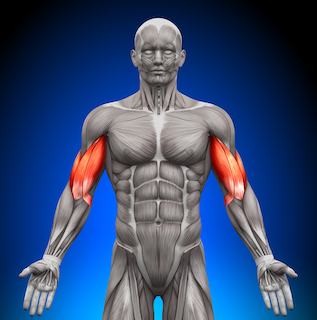
Muscle Evidence Hub
~ Don’t just work hard. Work Smart with Evidence ~
Check Out
Our Videos
We are here to provide the latest evidence on rehabilitation, fitness, health, and recovery in one location that is easy to understand and process.


Dr. Ken Usui
PT, DPT, CSCS

Dr. Consuelo Pedro
PT, DPT, CSCS

Dr. Kevan Shergill
PT, DPT, CSCS

Dr. Antoinette Auguste
PT, DPT, CSCS

Dr. Diana Paiva
PT, DPT, CSCS